


Fly Fishing Gear | Fly Fishing Flies | All
Your fly should be the only thing the fish sees; make it the right one.
At Tom's Outdoors, we boast a huge collection of fly fishing flies from Fulling Mill, MFC, RIO and Catagory 3 Fly Company - We handpick flies that are suitable for use in our local area, around Australia and across the ditch (or dutch as our Kiwi cousins would say).
Click here to read more...
WHAT TYPES OF FLIES ARE BEST FOR TROUT?
There are three main types of artificial flies in freshwater trout fishing, Dry flies, Nymphs and Wet flies (aka streamers) that anglers use to represent most of what trout eat.
- Dry flies: Designed to stay ‘dry’ and float on the water's surface, either representing an insect that has ‘hatched’ out of the water, like a Mayfly-Dun or a Caddis, or representing an insect that has fallen onto the water (terrestrial insects) like a Grasshopper. These flies are generally fished drifted along naturally in the current.
- Nymphs: Represent the aquatic juvenile phase of a water-born flying insect, like a Mayfly-Nymph, Caddis-Grub, or Stonefly-Nymph, and are fished throughout the water column from just under the surface film to the bottom, sinking with the aid of built-in or external weight. Nymphs are generally drifted naturally with the current, as well as being given some small movement underwater from time to time.
- Wet flies (or Streamers): Fished below the water's surface, these flies often imitate larger invertebrates like crayfish (yabbies), mud-eye, and damselfly, as well as larger vertebrates like frogs, baitfish, and even other small trout. They are generally fished quite aggressively through the current to imitate the darting fleeing nature of these prey items.
HOW TO CHOOSE A FLY
The three main things to consider when looking at selecting any fly are Profile, Movement, and Colour, in that order.
- The profile of the fly is one of the first things that a fish sees from a distance and will let them know if they are looking at viable prey; you want to match the size and shape of the food item you are imitating.
- Movement is the next thing that triggers a fish into eating your fly, whether it is slight movement that is ‘built into’ the fly like a soft hackle feather or how the fly reacts when moved through the water, such as the long tail made of marabou on a woolly-bugger.
- Finally, colour is a consideration, but not as important as most people would assume. Fish see colour differently from people and although it can be useful to have a fly in a range of colours, you can generally stick with bright, dark, or natural colours.
A note on ‘Ultra-Violet Hot-Spots’: one important consideration is does your fly have ultra-violet materials built into it? This is often an excellent extra trigger that results in getting fish to eat the flies as many fish species hunt in the Ultraviolet spectrum.
ATTRACTOR-PATTERNS VS IMITATIVE-PATTERNS.
Attractor patterns are designed to suggest life and movement without trying to match exactly one type of food or prey item. Imitative patterns are tied to try and look as much like the real thing as possible. They are both important styles to keep in mind when selecting effective flies for any situation. In general, the longer a fish will get to look at your flies, i.e. fishing very slowly on a lake or sand flat in clear water, the more imitative a fly should be. The less time a fish will see you fly, i.e. fishing a fast-flowing river or stripping a fly quickly through the water column the more of a general attractor a fly can be, the best flies generally have a mix of both!
Here at Tom’s we also stock all the necessary flies for targeting Australian Native Freshwater and Saltwater species. We have flies for Murray-Cod, Australian-Bass, Golden Perch, Flathead, Australian Salmon, Bream, Golden trevally, GT’s, Tuskies, Permit, and pretty-well any other species you’d care to throw a fly at, even carp... (unfortunately) - Native Freshwater and Saltwater patterns often fall into Surface (Floating) or Subsurface (Sinking) categories, most of which are fished actively to imitate the movement of the prey they represent. A typical surface fly would be a popper, which can imitate a frog or mouse ‘blooping’ across the surface, or even a wounded baitfish attempting to escape from a rocky ledge. Subsurface flies can range from patterns that represent baitfish all the way through to crayfish, crabs, shrimp and even drifting seaweed.
NEED HELP CHOOSING FLIES? CONTACT US TODAY
Simply get in touch with our friendly sales team – they’re always up for a chat. You can contact us by calling our Tumut store on (02) 6947 4062 or by email.
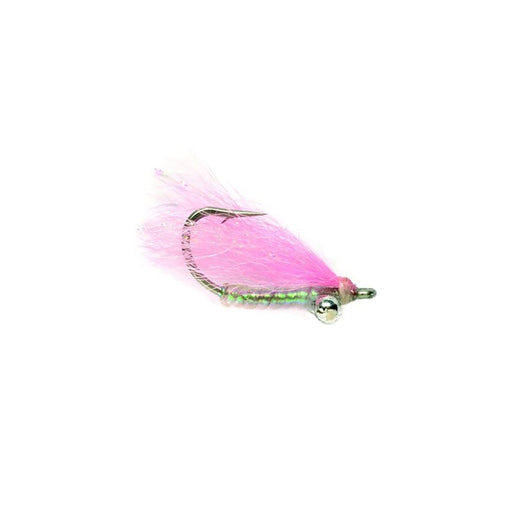
Fulling Mill Stealth Crazy Charlie - Pink
Fulling Mill
Original price
$5.90
-
Original price
$5.90
Original price
$5.90
$5.90
-
$5.90
Current price
$5.90
The quiet version, for fish in skinny water Bonefish and flats fish in shallow, calm water spook at the entry of a heavily weighted fly, which is w...
View full details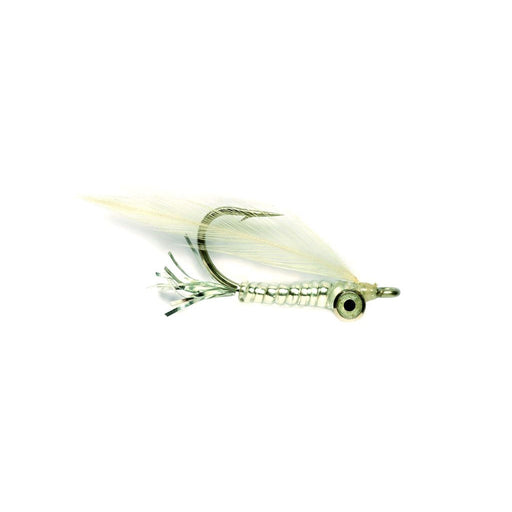
Fulling Mill Crazy Charlie
Fulling Mill
Original price
$5.90
-
Original price
$5.90
Original price
$5.90
$5.90
-
$5.90
Current price
$5.90
The fly that taught bonefish flies to ride point up Charlie Smith tied the first one on Andros in 1977 and Bob Nauheim gave it the name, and it cha...
View full details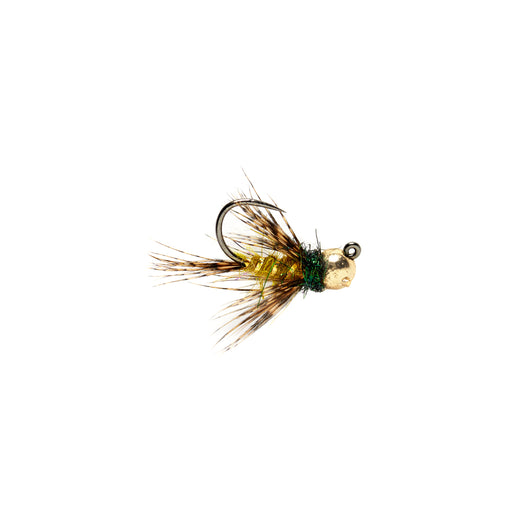
Fulling Mill Roza's Hackled Olive - Barbless Jig
Fulling Mill
Original price
$4.20
-
Original price
$4.20
Original price
$4.20
$4.20
-
$4.20
Current price
$4.20
A world champion's olive, with hackle to make it breathe Lubos Roza won a world championship at twenty, the youngest ever to do it, and his jig nym...
View full details
Fulling Mill Roza's Red Tag - Barbless Jig
Fulling Mill
Original price
$4.20
-
Original price
$4.20
Original price
$4.20
$4.20
-
$4.20
Current price
$4.20
The older, quieter colour, and it still works Red is the traditional tag colour and a more restrained one than pink, which makes this the version f...
View full details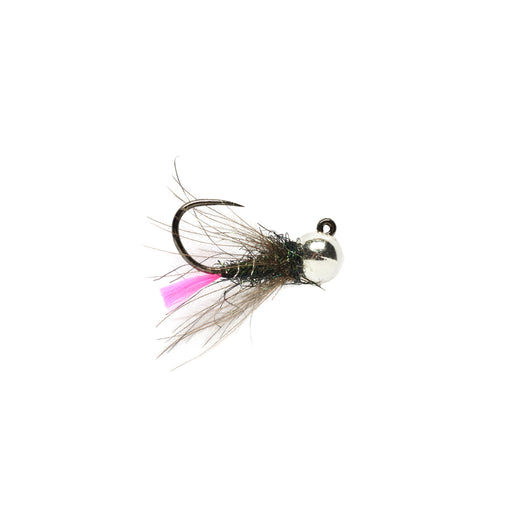
Fulling Mill Roza's Pink Tag - Barbless Jig
Fulling Mill
Original price
$4.20
-
Original price
$4.20
Original price
$4.20
$4.20
-
$4.20
Current price
$4.20
The trigger goes at the back on this one A tag sits at the tail rather than the head or the thorax, so a fish following the fly sees a dark body wi...
View full details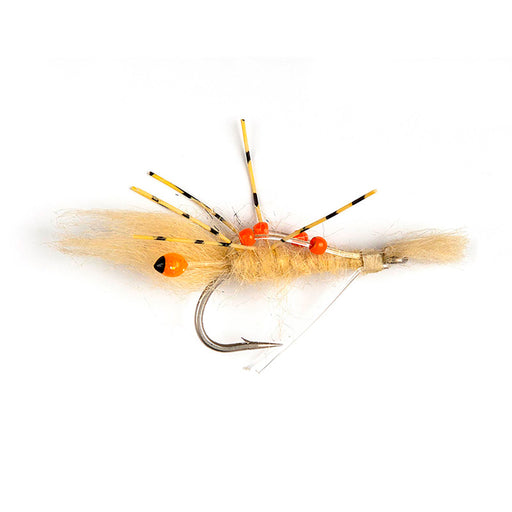
Fulling Mill Sand Prawn
Fulling Mill
Original price
$5.90
-
Original price
$5.90
Original price
$5.90
$5.90
-
$5.90
Current price
$5.90
A prawn, moving the way a prawn actually moves James Christmas designed this one on the Alphonse flats, and the profile translates straight to Aust...
View full details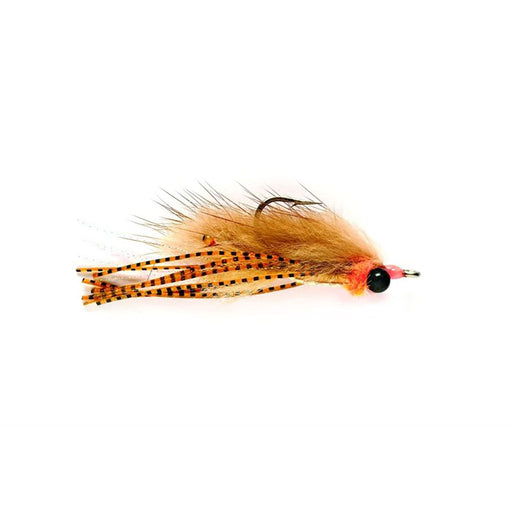
Fulling Mill Homer Shrimpson
Fulling Mill
Original price
$5.90
-
Original price
$5.90
Original price
$5.90
$5.90
-
$5.90
Current price
$5.90
The shrimp to carry if you only carry one Some flies earn their place by being specialists and some by covering everything, and this is firmly the ...
View full details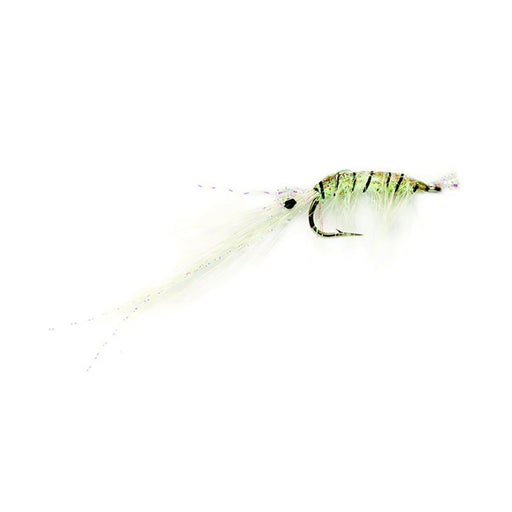
Fulling Mill Sand Punter's Choice
Fulling Mill
Original price
$5.90
-
Original price
$5.90
Original price
$5.90
$5.90
-
$5.90
Current price
$5.90
The sand shrimp that also works in fresh water This is the shrimp end of the same family: a smaller, lighter profile than a prawn pattern and bette...
View full details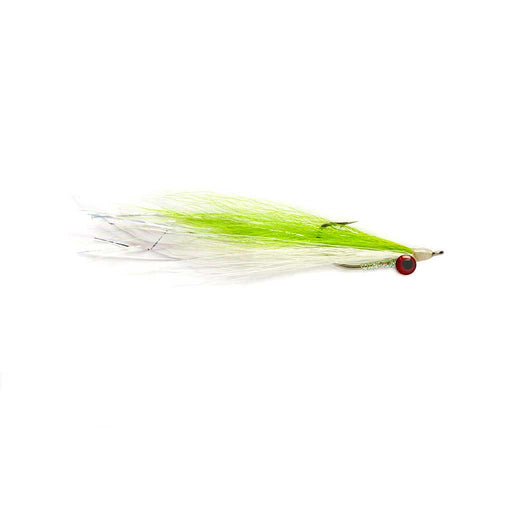
Fulling Mill Deep Water Clouser - Chartreuse / White
Fulling Mill
Original price
$7.30
-
Original price
$7.30
Original price
$7.30
$7.30
-
$7.30
Current price
$7.30
The same fly, tied to get properly down Chartreuse over white is the classic baitfish combination, a light belly and a bright back, which is roughl...
View full details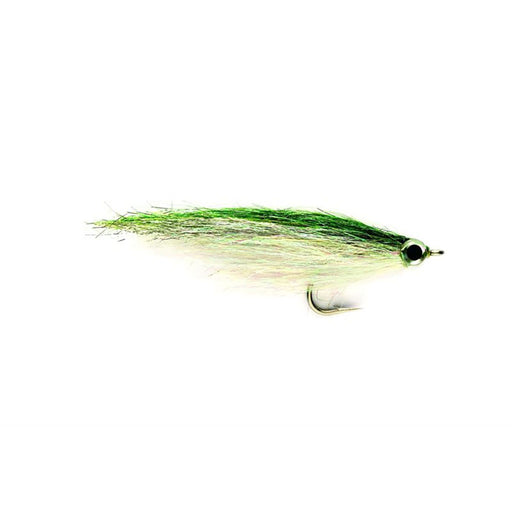
Fulling Mill Los Roques Minnow - Green
Fulling Mill
Original price
$8.50
-
Original price
$8.50
Original price
$8.50
$8.50
-
$8.50
Current price
$8.50
Small, for the days they are eating small Estuary fish get locked onto whatever size bait is running, and when that bait is little a big fly gets i...
View full details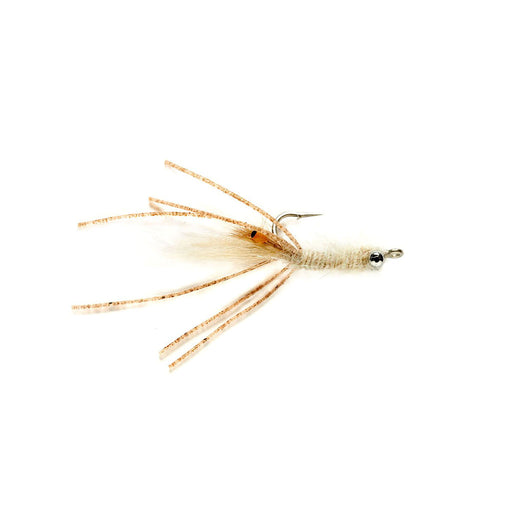
Fulling Mill Cuban Shrimp - Light Tan
Fulling Mill
Original price
$5.90
-
Original price
$5.90
Original price
$5.90
$5.90
-
$5.90
Current price
$5.90
Lands softly and sinks slowly, which is the point Fish in shallow, calm water hear a fly land before they see it, and a heavy pattern dropping in f...
View full details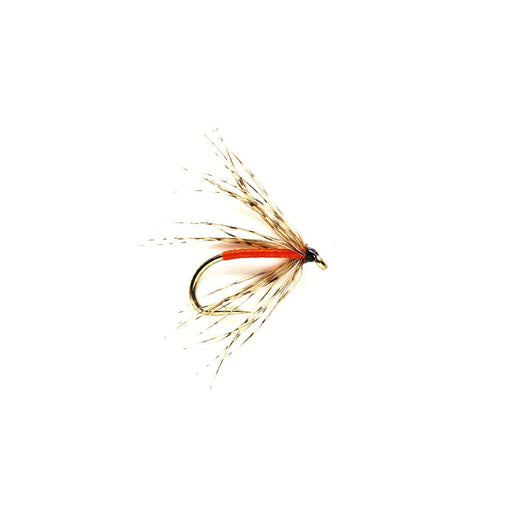
Fulling Mill Partridge & Orange
Fulling Mill
Original price
$2.90
-
Original price
$2.90
Original price
$2.90
$2.90
-
$2.90
Current price
$2.90
The hackle does the work, not the angler A North Country spider carries almost nothing: a body of orange silk and a turn of speckled partridge, and...
View full details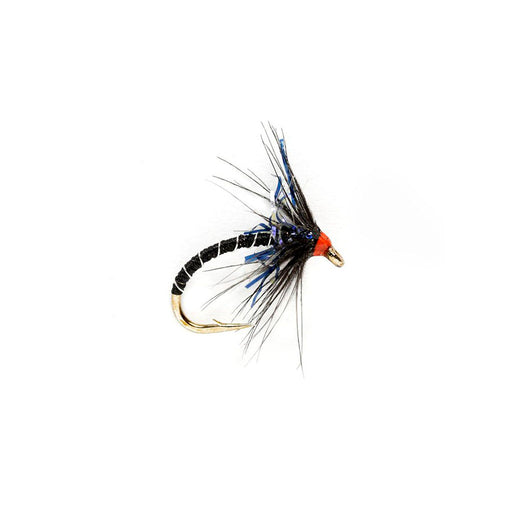
Fulling Mill KJ Black & UV Spider
Fulling Mill
Original price
$2.90
-
Original price
$2.90
Original price
$2.90
$2.90
-
$2.90
Current price
$2.90
A tailwater fly, in the oldest style there is Tailwaters run cold, clear and heavily fished, and the trout in them inspect a fly properly before ea...
View full details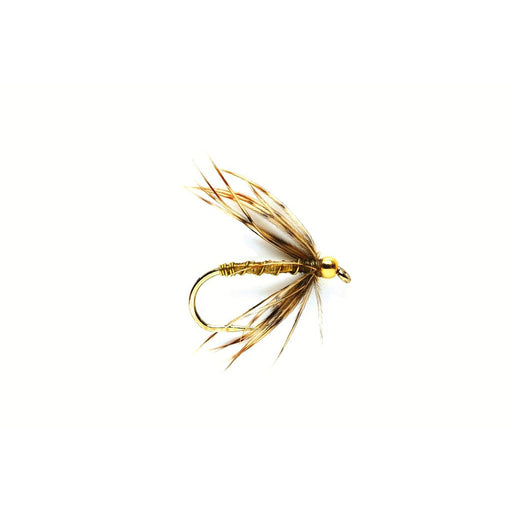
Fulling Mill CJ's Controller
Fulling Mill
Original price
$3.90
-
Original price
$3.90
Original price
$3.90
$3.90
-
$3.90
Current price
$3.90
One fly, and you decide what it is The name is the instruction. A slim thread and wire body, a small bead and a sparse hackle add up to something w...
View full details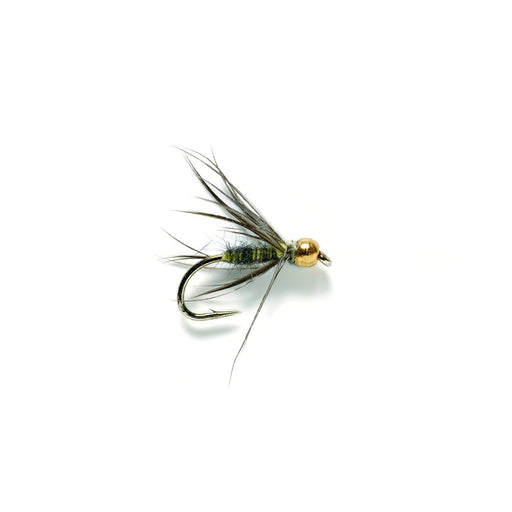
Fulling Mill JT Tungsten Bead Spider Waterhen Bloa
Fulling Mill
Original price
$4.20
-
Original price
$4.20
Original price
$4.20
$4.20
-
$4.20
Current price
$4.20
The old silhouette, taken down where it could never go The Waterhen Bloa has always represented an olive struggling in or under the film, and unwei...
View full details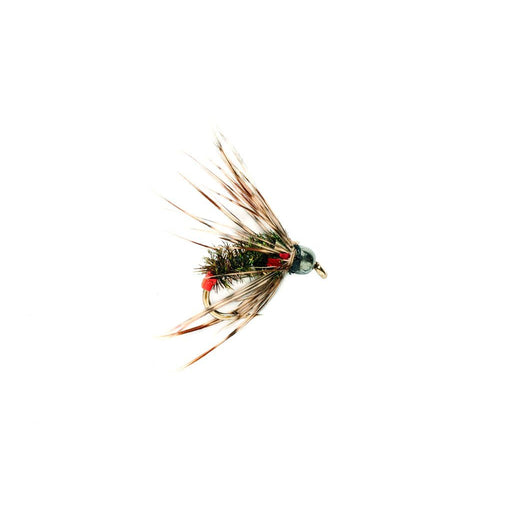
Fulling Mill X-Factor Dee Devil
Fulling Mill
Original price
$4.20
-
Original price
$4.20
Original price
$4.20
$4.20
-
$4.20
Current price
$4.20
Dee Devil, Tasmanian Devil, What's the difference? The River Dee might be in another hemisphere, but the trout are all descended from the same sto...
View full details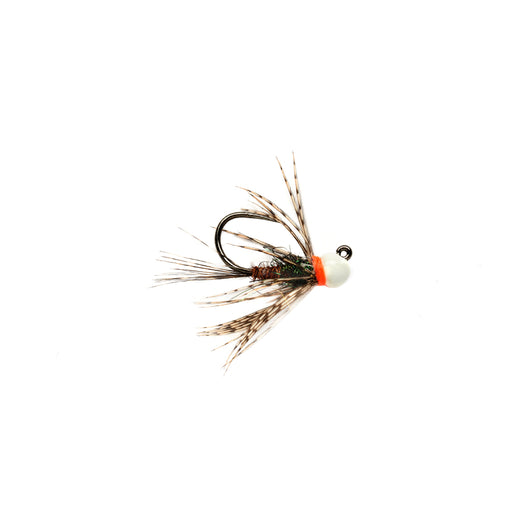
Fulling Mill White Bead Pheasant Tail - Barbless Jig
Fulling Mill
Original price
$4.20
-
Original price
$4.20
Original price
$4.20
$4.20
-
$4.20
Current price
$4.20
A Pheasant Tail with a Glowing Difference If you don't have a UV torch, buy on, steal one do whatever you have to to just get one. Then shine it on...
View full details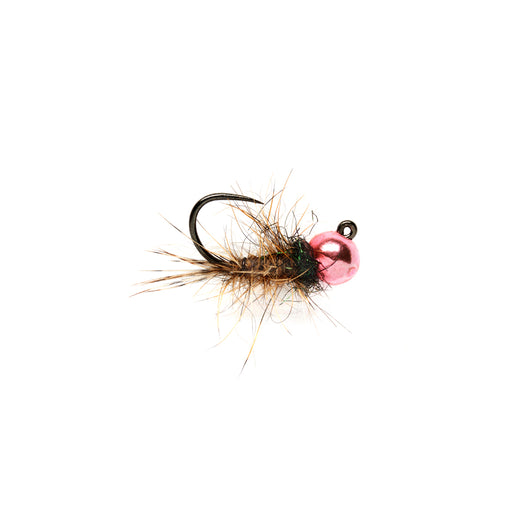
Fulling Mill Roza's Pink Hares Ear - Barbless Jig
Fulling Mill
Original price
$4.20
-
Original price
$4.20
Original price
$4.20
$4.20
-
$4.20
Current price
$4.20
Buggy where it counts, bright where it needs to be Hare's fur is the scruffiest dubbing there is, and the guard hairs standing out from the body su...
View full details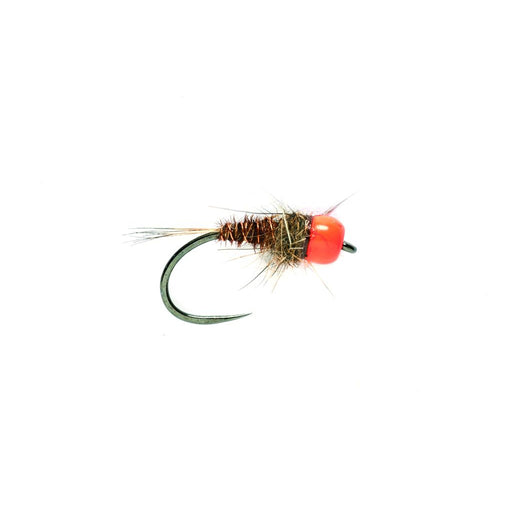
Fulling Mill SR Orange Head Mary - Barbless
Fulling Mill
Original price
$4.20
-
Original price
$4.20
Original price
$4.20
$4.20
-
$4.20
Current price
$4.20
Tricky Rainbows? Seems like a misnomer but they do exist... Anyone that's spotted pods of rainbows and simply can t get them to eat late season and...
View full details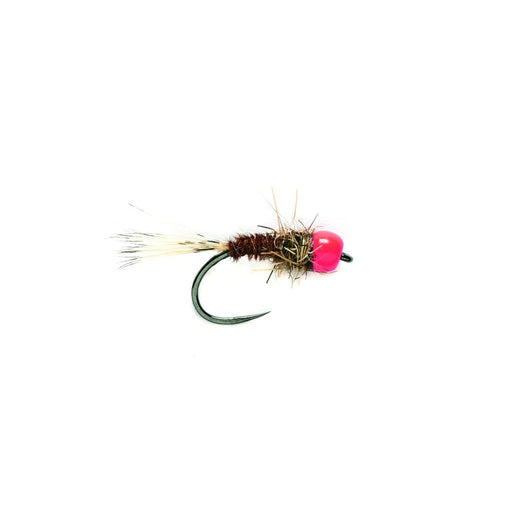
Fulling Mill SR Pink Head Mary - Barbless
Fulling Mill
Original price
$4.20
-
Original price
$4.20
Original price
$4.20
$4.20
-
$4.20
Current price
$4.20
Tricky Rainbows? Seems like a misnomer but they do exist... Anyone that's spotted pods of rainbows and simply can t get them to eat late season and...
View full details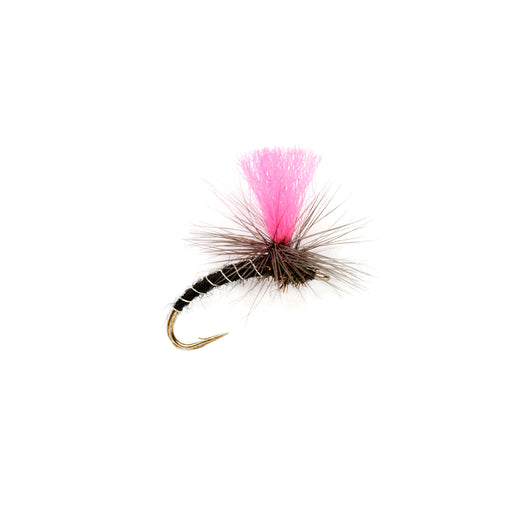
Fulling Mill OE Pinkhammer
Fulling Mill
Original price
$4.20
-
Original price
$4.20
Original price
$4.20
$4.20
-
$4.20
Current price
$4.20
Pretty in pink The Klinkhammer has to one of the greats, an absolute classic that is awesome on its own, as a team, skated or dead-drifted, it's po...
View full details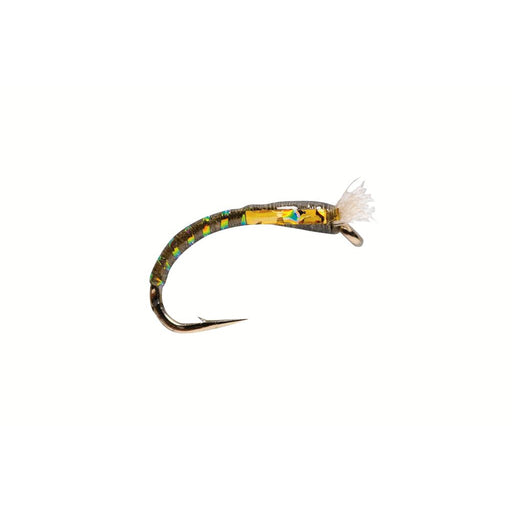
Fulling Mill 3D Glass Buzzer - Dark Olive
Fulling Mill
Original price
$2.90
-
Original price
$2.90
Original price
$2.90
$2.90
-
$2.90
Current price
$2.90
A Midge for Every Winter Box Buzzers are prime patterns for clearwater winter midge lake fishing and rising spring dams that explode with midge bal...
View full details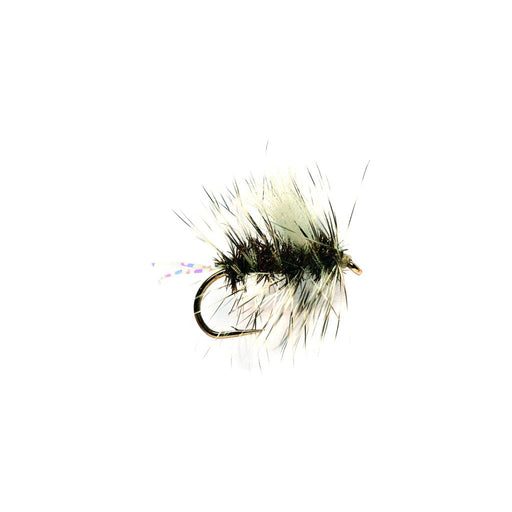
Fulling Mill CJ's Sparkle Gnat
Fulling Mill
Original price
$4.20
-
Original price
$4.20
Original price
$4.20
$4.20
-
$4.20
Current price
$4.20
No Idea what they're eating? The good old gnat has been reborn as the Sparkle Gnat. Perfect for imitating a swarm of balling midge that fish gorge ...
View full details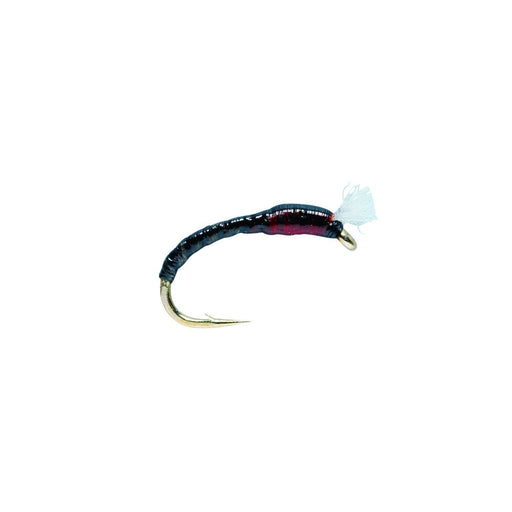
Fulling Mill Flexi Floss Buzzer Black
Fulling Mill
Original price
$2.90
-
Original price
$2.90
Original price
$2.90
$2.90
-
$2.90
Current price
$2.90
A Simple but deadly Midge Buzzers are prime patterns for clearwater winter midge lake fishing and rising spring dams that explode with midge balls...
View full details