


Fly Fishing Gear | Fly Fishing Flies | All
Your fly should be the only thing the fish sees; make it the right one.
At Tom's Outdoors, we boast a huge collection of fly fishing flies from Fulling Mill, MFC, RIO and Catagory 3 Fly Company - We handpick flies that are suitable for use in our local area, around Australia and across the ditch (or dutch as our Kiwi cousins would say).
Click here to read more...
WHAT TYPES OF FLIES ARE BEST FOR TROUT?
There are three main types of artificial flies in freshwater trout fishing, Dry flies, Nymphs and Wet flies (aka streamers) that anglers use to represent most of what trout eat.
- Dry flies: Designed to stay ‘dry’ and float on the water's surface, either representing an insect that has ‘hatched’ out of the water, like a Mayfly-Dun or a Caddis, or representing an insect that has fallen onto the water (terrestrial insects) like a Grasshopper. These flies are generally fished drifted along naturally in the current.
- Nymphs: Represent the aquatic juvenile phase of a water-born flying insect, like a Mayfly-Nymph, Caddis-Grub, or Stonefly-Nymph, and are fished throughout the water column from just under the surface film to the bottom, sinking with the aid of built-in or external weight. Nymphs are generally drifted naturally with the current, as well as being given some small movement underwater from time to time.
- Wet flies (or Streamers): Fished below the water's surface, these flies often imitate larger invertebrates like crayfish (yabbies), mud-eye, and damselfly, as well as larger vertebrates like frogs, baitfish, and even other small trout. They are generally fished quite aggressively through the current to imitate the darting fleeing nature of these prey items.
HOW TO CHOOSE A FLY
The three main things to consider when looking at selecting any fly are Profile, Movement, and Colour, in that order.
- The profile of the fly is one of the first things that a fish sees from a distance and will let them know if they are looking at viable prey; you want to match the size and shape of the food item you are imitating.
- Movement is the next thing that triggers a fish into eating your fly, whether it is slight movement that is ‘built into’ the fly like a soft hackle feather or how the fly reacts when moved through the water, such as the long tail made of marabou on a woolly-bugger.
- Finally, colour is a consideration, but not as important as most people would assume. Fish see colour differently from people and although it can be useful to have a fly in a range of colours, you can generally stick with bright, dark, or natural colours.
A note on ‘Ultra-Violet Hot-Spots’: one important consideration is does your fly have ultra-violet materials built into it? This is often an excellent extra trigger that results in getting fish to eat the flies as many fish species hunt in the Ultraviolet spectrum.
ATTRACTOR-PATTERNS VS IMITATIVE-PATTERNS.
Attractor patterns are designed to suggest life and movement without trying to match exactly one type of food or prey item. Imitative patterns are tied to try and look as much like the real thing as possible. They are both important styles to keep in mind when selecting effective flies for any situation. In general, the longer a fish will get to look at your flies, i.e. fishing very slowly on a lake or sand flat in clear water, the more imitative a fly should be. The less time a fish will see you fly, i.e. fishing a fast-flowing river or stripping a fly quickly through the water column the more of a general attractor a fly can be, the best flies generally have a mix of both!
Here at Tom’s we also stock all the necessary flies for targeting Australian Native Freshwater and Saltwater species. We have flies for Murray-Cod, Australian-Bass, Golden Perch, Flathead, Australian Salmon, Bream, Golden trevally, GT’s, Tuskies, Permit, and pretty-well any other species you’d care to throw a fly at, even carp... (unfortunately) - Native Freshwater and Saltwater patterns often fall into Surface (Floating) or Subsurface (Sinking) categories, most of which are fished actively to imitate the movement of the prey they represent. A typical surface fly would be a popper, which can imitate a frog or mouse ‘blooping’ across the surface, or even a wounded baitfish attempting to escape from a rocky ledge. Subsurface flies can range from patterns that represent baitfish all the way through to crayfish, crabs, shrimp and even drifting seaweed.
NEED HELP CHOOSING FLIES? CONTACT US TODAY
Simply get in touch with our friendly sales team – they’re always up for a chat. You can contact us by calling our Tumut store on (02) 6947 4062 or by email.
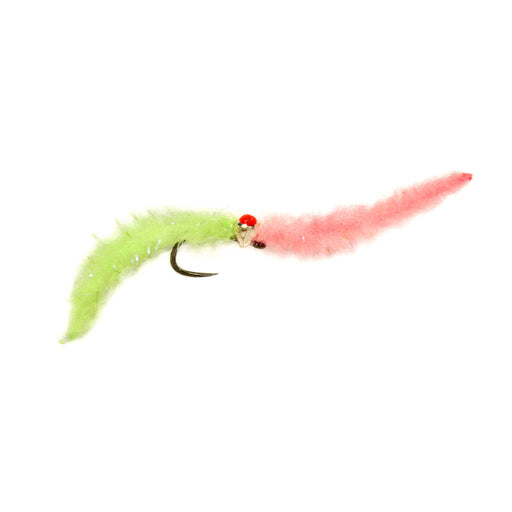
Fulling Mill Croston's Mini Cocktail Worm Candy - Barbless (Red)
Fulling Mill
Original price
$4.20
-
Original price
$4.20
Original price
$4.20
$4.20
-
$4.20
Current price
$4.20
The Weirdest Worms Around! We've never met this Croston bloke, but we love his worms! Even though these things look like a cross between a glow sti...
View full details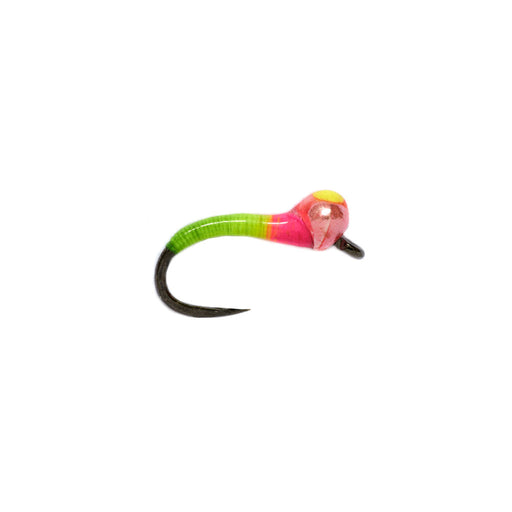
Fulling Mill Croston's Bung Buzzer Wildcard - Barbless (Yellow)
Fulling Mill
Original price
$4.20
-
Original price
$4.20
Original price
$4.20
$4.20
-
$4.20
Current price
$4.20
Bung Bug's Are Here! Designed to be fished in conjunction with Fulling Mill's new Bung style indicator system, this little buzzer is the wildcard o...
View full details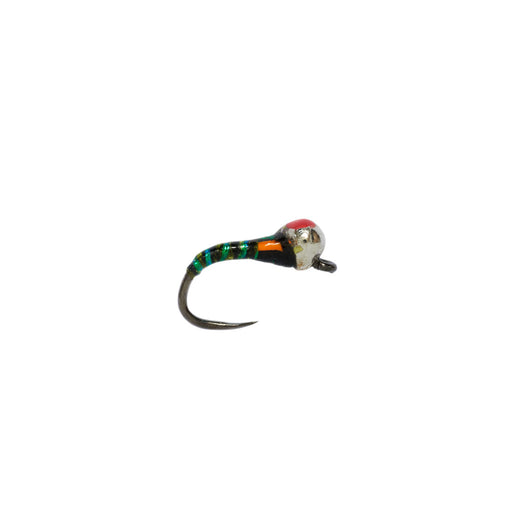
Fulling Mill Croston's Bung Buzzer Olive - Barbless (Red)
Fulling Mill
Original price
$4.20
-
Original price
$4.20
Original price
$4.20
$4.20
-
$4.20
Current price
$4.20
Bung Bug's Are Here! Designed to be fished in conjunction with Fulling Mill's new Bung style indicator system, this little black buzzer is the subt...
View full details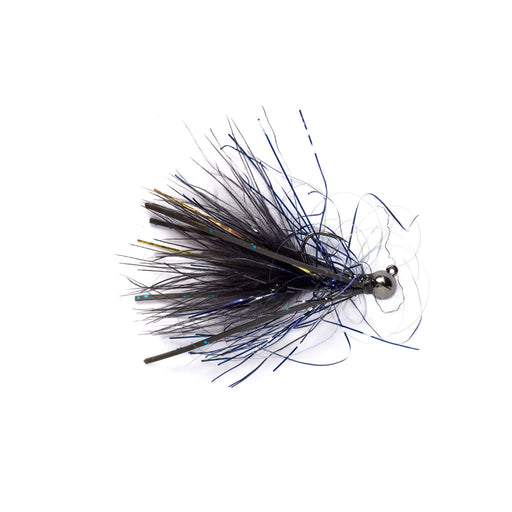
Fulling Mill Daniel's UV Polar Jig Black - Barbless
Fulling Mill
Original price
$4.20
-
Original price
$4.20
Original price
$4.20
$4.20
-
$4.20
Current price
$4.20
These Jig buggers are viscously versatile! You can have them as a point fly on a team of flies to strip fast on a sinking line on a lake, run them ...
View full details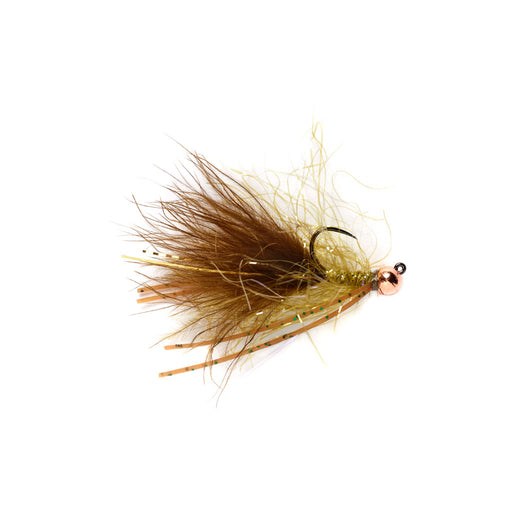
Fulling Mill Daniel's UV Polar Jig Olive - Barbless
Fulling Mill
Original price
$4.20
-
Original price
$4.20
Original price
$4.20
$4.20
-
$4.20
Current price
$4.20
These Jig buggers are viscously versatile! You can have them as a point fly on a team of flies to strip fast on a sinking line on a lake, run them...
View full details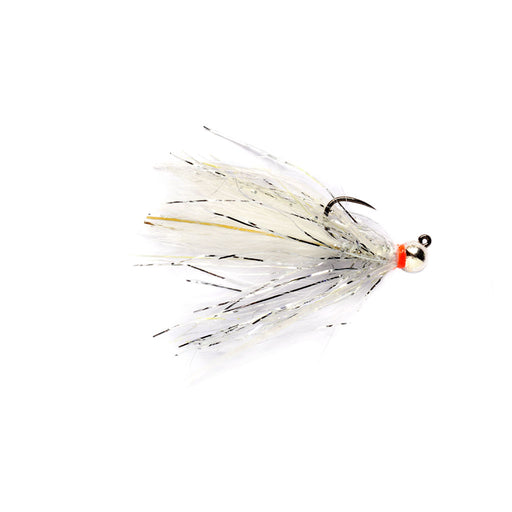
Fulling Mill Daniel's UV Polar Jig White - Barbless
Fulling Mill
Original price
$4.20
-
Original price
$4.20
Original price
$4.20
$4.20
-
$4.20
Current price
$4.20
These Jig buggers are viscously versatile! You can have them as a point fly on a team of flies to strip fast on a sinking line on a lake, run them...
View full details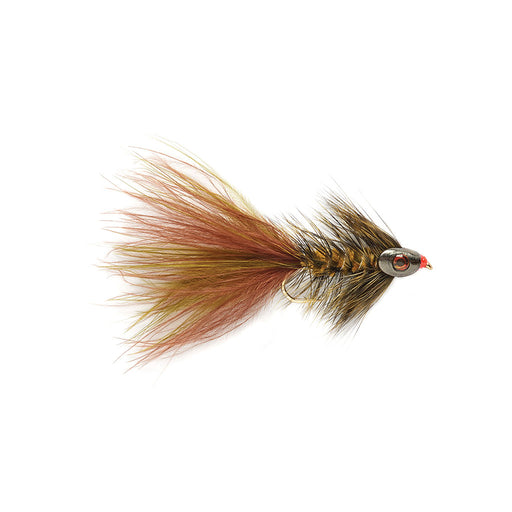
Fulling Mill Woolly Bugger Skullhead - Grizzly
Fulling Mill
Original price
$4.20
-
Original price
$4.20
Original price
$4.20
$4.20
-
$4.20
Current price
$4.20
A bugger with a difference. The skull head adds extra weight and triggering little baitfish eyes. A great streamer to graduate to from a standard b...
View full details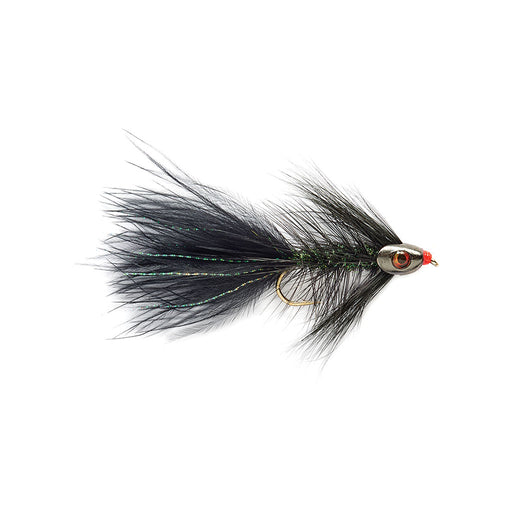
Fulling Mill Woolly Bugger Skullhead - Black
Fulling Mill
Original price
$4.20
-
Original price
$4.20
Original price
$4.20
$4.20
-
$4.20
Current price
$4.20
A bugger with a difference The skull head adds extra weight and triggering little baitfish eyes. A great streamer to graduate to from a standard bu...
View full details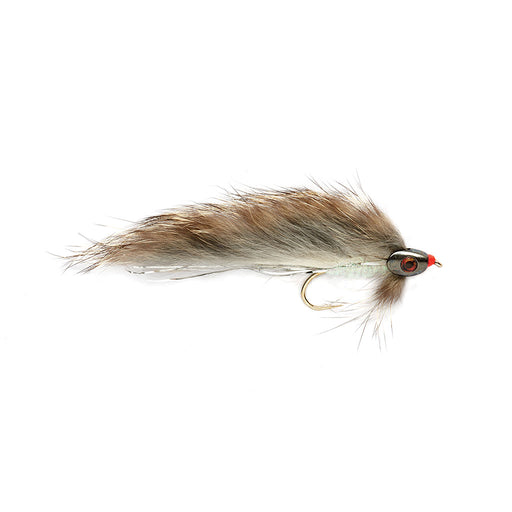
Fulling Mill Zonker Skullhead Streamer - Natural
Fulling Mill
Original price
$4.20
-
Original price
$4.20
Original price
$4.20
$4.20
-
$4.20
Current price
$4.20
Big fish aim for the eyes, so this fly has them Trout hunting a small fish go for the head to disable it, which is why a streamer with a defined he...
View full details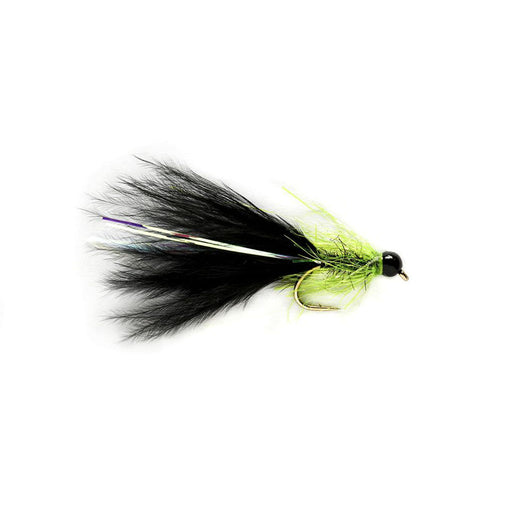
Fulling Mill Jenkins' Krystal Black Cat Taddy TH
Fulling Mill
Original price
$4.20
-
Original price
$4.20
Original price
$4.20
$4.20
-
$4.20
Current price
$4.20
Black and Chartreuse are a winning combo. Combine a fly with a proper tungsten head, straggle body and just a little flash, and you've got yourself...
View full details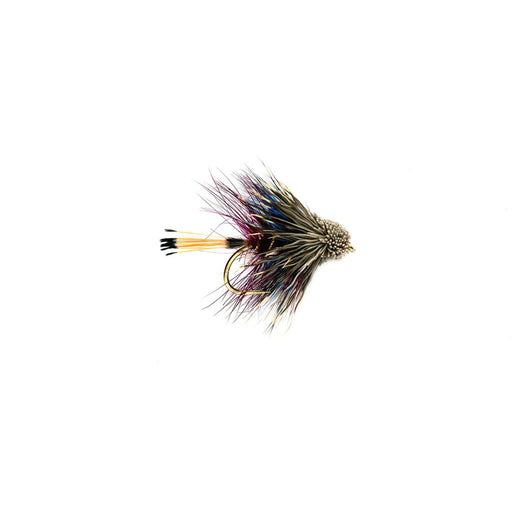
Fulling Mill Muddler Mini Claret Bumble
Fulling Mill
Original price
$4.20
-
Original price
$4.20
Original price
$4.20
$4.20
-
$4.20
Current price
$4.20
This fly is a true all-rounder for your loch-style (lake) fishing. One moment it's a hopper struggling for life, the next it transforms into a mud-...
View full details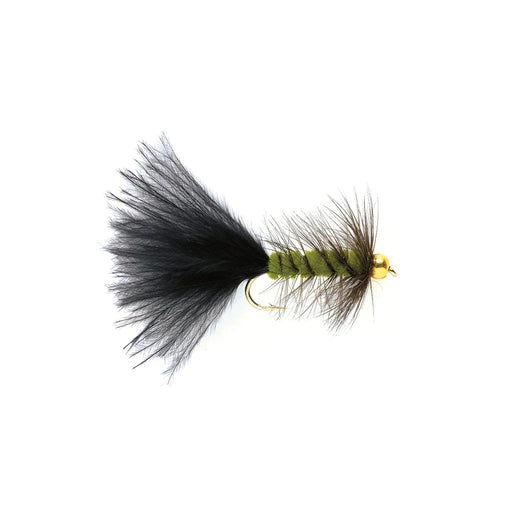
Fulling Mill Woolly Bugger - Olive (Gold Nugget)
Fulling Mill
Original price
$3.30
-
Original price
$3.30
Original price
$3.30
$3.30
-
$3.30
Current price
$3.30
The olive one, for water you can see through A bugger covers everything. Depending on how you fish it, it reads as a leech, a yabby, a large nymph ...
View full details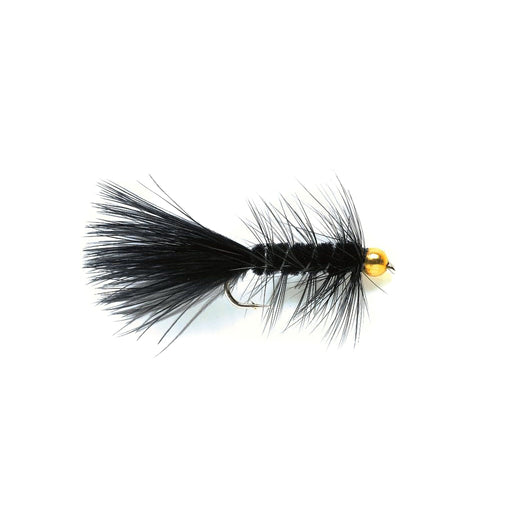
Fulling Mill Woolly Bugger - Black (Gold Nugget)
Fulling Mill
Original price
$3.30
-
Original price
$3.30
Original price
$3.30
$3.30
-
$3.30
Current price
$3.30
The one that gets found in dirty water and low light Black is the silhouette colour. After rain, in stained water, at dusk or under heavy cloud it ...
View full details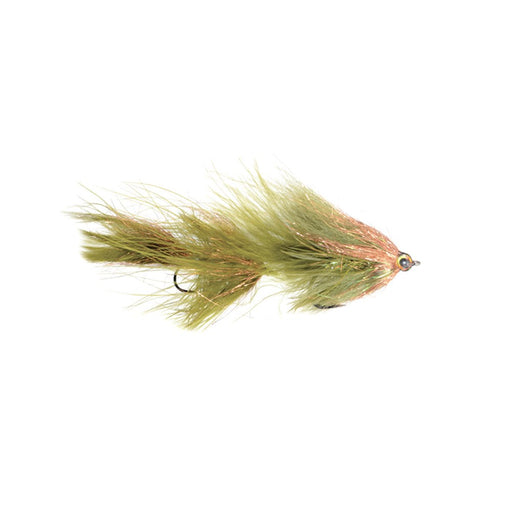
Fulling Mill Mongrel Meat - Olive
Fulling Mill
Original price
$11.90
-
Original price
$11.90
Original price
$11.90
$11.90
-
$11.90
Current price
$11.90
Half a dozen good flies, put together The name is fair: this borrows the best bits of several proven streamers rather than imitating one particular...
View full details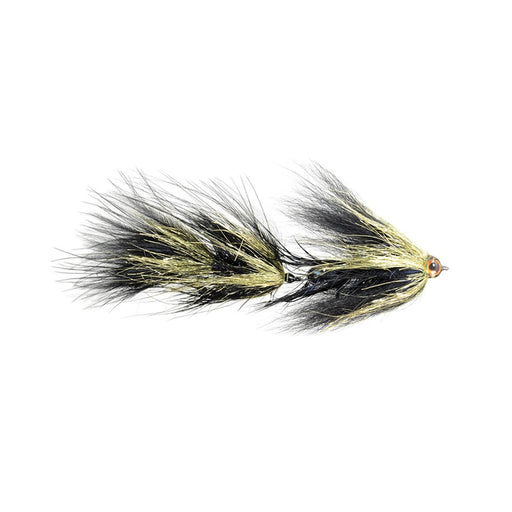
Fulling Mill Mongrel Meat - Black
Fulling Mill
Original price
$11.90
-
Original price
$11.90
Original price
$11.90
$11.90
-
$11.90
Current price
$11.90
Jointed, so it swims even when you stop The articulation is what earns this fly its place. A jointed body flexes and hinges as it moves, so the fly...
View full details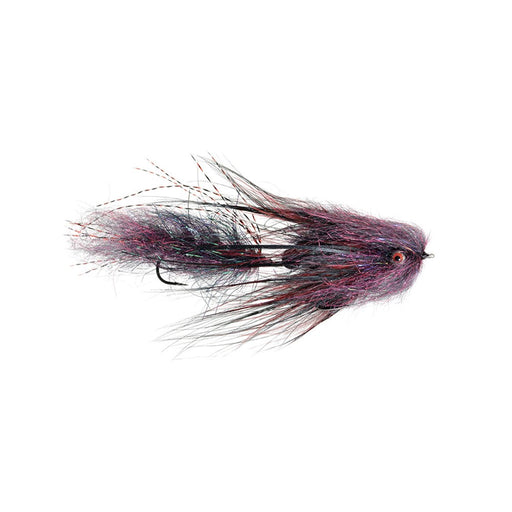
Fulling Mill Cheech Leech - Black/Red
Fulling Mill
Original price
$9.90
-
Original price
$9.90
Original price
$9.90
$9.90
-
$9.90
Current price
$9.90
Red is not there to imitate anything The red on this one is a trigger, not an imitation. Predatory fish key on it the way they key on the flash of ...
View full details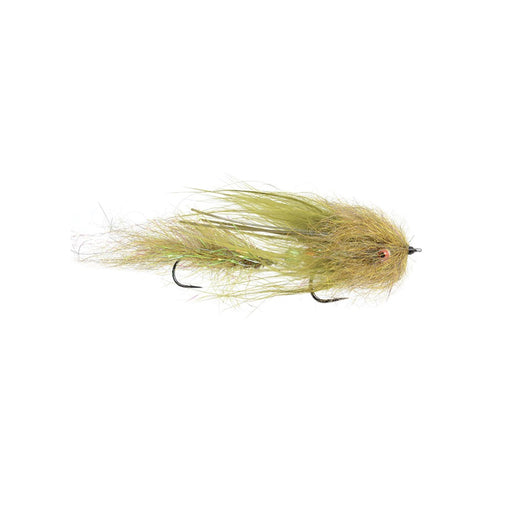
Fulling Mill Cheech Leech - Olive
Fulling Mill
Original price
$9.90
-
Original price
$9.90
Original price
$9.90
$9.90
-
$9.90
Current price
$9.90
The natural one, for water you can see into Olive is what most of the things a big trout eats actually look like: galaxias, juvenile trout, mudeyes...
View full details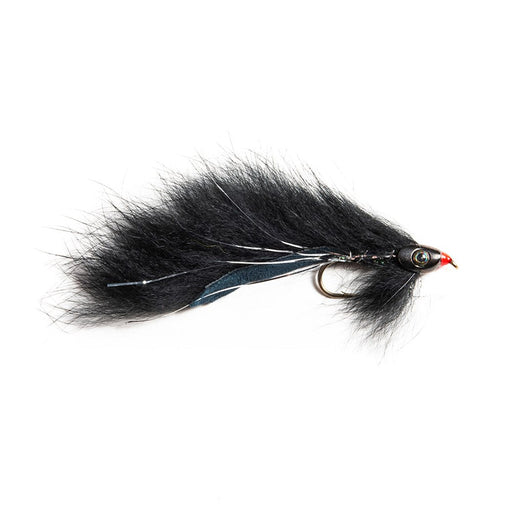
Fulling Mill Zonker Skullhead Streamer - Black
Fulling Mill
Original price
$4.20
-
Original price
$4.20
Original price
$4.20
$4.20
-
$4.20
Current price
$4.20
The one for after dark Big brown trout do a great deal of their feeding at night, and after dark a fish is working on movement and outline rather t...
View full details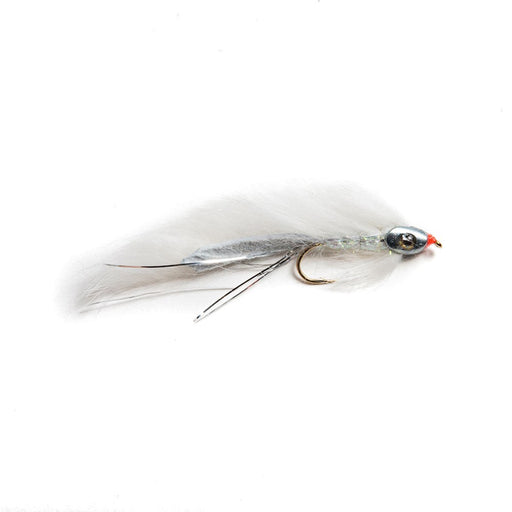
Fulling Mill Zonker Skullhead Streamer - White
Fulling Mill
Original price
$4.20
-
Original price
$4.20
Original price
$4.20
$4.20
-
$4.20
Current price
$4.20
A fish in trouble is usually a pale one A small fish that is injured or dying turns pale and flashes its belly as it loses balance, and that is a s...
View full details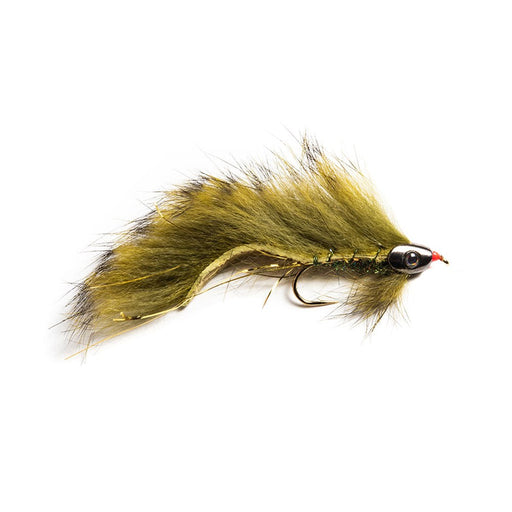
Fulling Mill Zonker Skullhead Streamer - Olive
Fulling Mill
Original price
$4.20
-
Original price
$4.20
Original price
$4.20
$4.20
-
$4.20
Current price
$4.20
For fish you can see before you cast Polaroiding a lake edge or a shallow flat means putting a fly in front of a fish you have already spotted, and...
View full details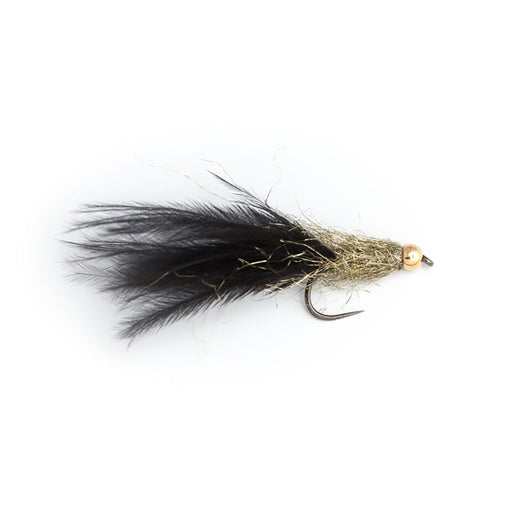
Fulling Mill Christopher Bassano's Flashy Humungous
Fulling Mill
Original price
$4.95
-
Original price
$4.95
Original price
$4.95
$4.95
-
$4.95
Current price
$4.95
Catch Humungous amounts of fish. By today's streamer standards, the Flashy Humungous is on the minuscule end. But don't let that fool you, this fly...
View full details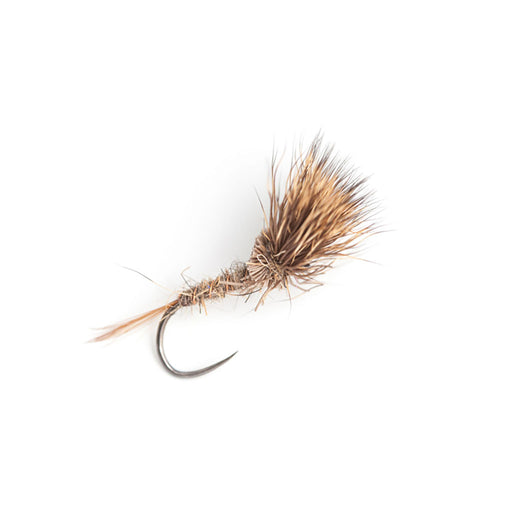
Fulling Mill Christopher Bassano's Shaving Brush - Hares Ear / Possum
Fulling Mill
Original price
$4.95
-
Original price
$4.95
Original price
$4.95
$4.95
-
$4.95
Current price
$4.95
A must-have Australian mayfly emerger pattern. The Shaving Brush Hares Ear/Possum is the textbook Kosi-Dun emerger. Tied with hares ear and possum ...
View full details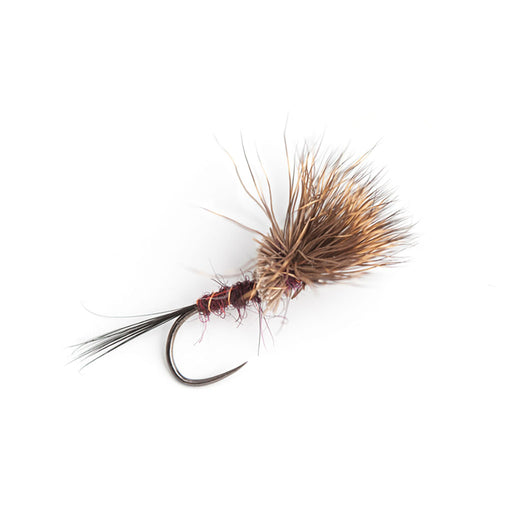
Fulling Mill Christopher Bassano's Shaving Brush - Claret
Fulling Mill
Original price
$4.95
-
Original price
$4.95
Original price
$4.95
$4.95
-
$4.95
Current price
$4.95
The perfect emerging mayfly silhouette Bassano's Shaving Brush Claret is a staple for evening risers and lakes. The emerging mayfly shape with the ...
View full details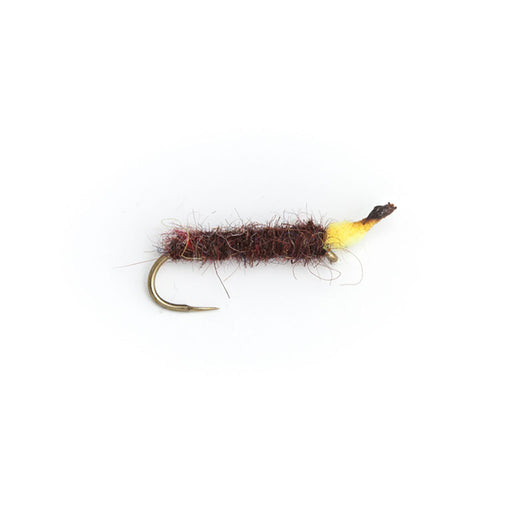
Fulling Mill Christopher Bassano's Blind Caddis
Fulling Mill
Original price
$4.95
-
Original price
$4.95
Original price
$4.95
$4.95
-
$4.95
Current price
$4.95
When mayflies get boring...Fish Caddis! As far as caddis nymphs go, you can't look past cased caddis variants. The Blind Caddis by Christopher Bass...
View full details