


Fly Fishing Gear | Fly Fishing Flies | All
Your fly should be the only thing the fish sees; make it the right one.
At Tom's Outdoors, we boast a huge collection of fly fishing flies from Fulling Mill, MFC, RIO and Catagory 3 Fly Company - We handpick flies that are suitable for use in our local area, around Australia and across the ditch (or dutch as our Kiwi cousins would say).
Click here to read more...
WHAT TYPES OF FLIES ARE BEST FOR TROUT?
There are three main types of artificial flies in freshwater trout fishing, Dry flies, Nymphs and Wet flies (aka streamers) that anglers use to represent most of what trout eat.
- Dry flies: Designed to stay ‘dry’ and float on the water's surface, either representing an insect that has ‘hatched’ out of the water, like a Mayfly-Dun or a Caddis, or representing an insect that has fallen onto the water (terrestrial insects) like a Grasshopper. These flies are generally fished drifted along naturally in the current.
- Nymphs: Represent the aquatic juvenile phase of a water-born flying insect, like a Mayfly-Nymph, Caddis-Grub, or Stonefly-Nymph, and are fished throughout the water column from just under the surface film to the bottom, sinking with the aid of built-in or external weight. Nymphs are generally drifted naturally with the current, as well as being given some small movement underwater from time to time.
- Wet flies (or Streamers): Fished below the water's surface, these flies often imitate larger invertebrates like crayfish (yabbies), mud-eye, and damselfly, as well as larger vertebrates like frogs, baitfish, and even other small trout. They are generally fished quite aggressively through the current to imitate the darting fleeing nature of these prey items.
HOW TO CHOOSE A FLY
The three main things to consider when looking at selecting any fly are Profile, Movement, and Colour, in that order.
- The profile of the fly is one of the first things that a fish sees from a distance and will let them know if they are looking at viable prey; you want to match the size and shape of the food item you are imitating.
- Movement is the next thing that triggers a fish into eating your fly, whether it is slight movement that is ‘built into’ the fly like a soft hackle feather or how the fly reacts when moved through the water, such as the long tail made of marabou on a woolly-bugger.
- Finally, colour is a consideration, but not as important as most people would assume. Fish see colour differently from people and although it can be useful to have a fly in a range of colours, you can generally stick with bright, dark, or natural colours.
A note on ‘Ultra-Violet Hot-Spots’: one important consideration is does your fly have ultra-violet materials built into it? This is often an excellent extra trigger that results in getting fish to eat the flies as many fish species hunt in the Ultraviolet spectrum.
ATTRACTOR-PATTERNS VS IMITATIVE-PATTERNS.
Attractor patterns are designed to suggest life and movement without trying to match exactly one type of food or prey item. Imitative patterns are tied to try and look as much like the real thing as possible. They are both important styles to keep in mind when selecting effective flies for any situation. In general, the longer a fish will get to look at your flies, i.e. fishing very slowly on a lake or sand flat in clear water, the more imitative a fly should be. The less time a fish will see you fly, i.e. fishing a fast-flowing river or stripping a fly quickly through the water column the more of a general attractor a fly can be, the best flies generally have a mix of both!
Here at Tom’s we also stock all the necessary flies for targeting Australian Native Freshwater and Saltwater species. We have flies for Murray-Cod, Australian-Bass, Golden Perch, Flathead, Australian Salmon, Bream, Golden trevally, GT’s, Tuskies, Permit, and pretty-well any other species you’d care to throw a fly at, even carp... (unfortunately) - Native Freshwater and Saltwater patterns often fall into Surface (Floating) or Subsurface (Sinking) categories, most of which are fished actively to imitate the movement of the prey they represent. A typical surface fly would be a popper, which can imitate a frog or mouse ‘blooping’ across the surface, or even a wounded baitfish attempting to escape from a rocky ledge. Subsurface flies can range from patterns that represent baitfish all the way through to crayfish, crabs, shrimp and even drifting seaweed.
NEED HELP CHOOSING FLIES? CONTACT US TODAY
Simply get in touch with our friendly sales team – they’re always up for a chat. You can contact us by calling our Tumut store on (02) 6947 4062 or by email.
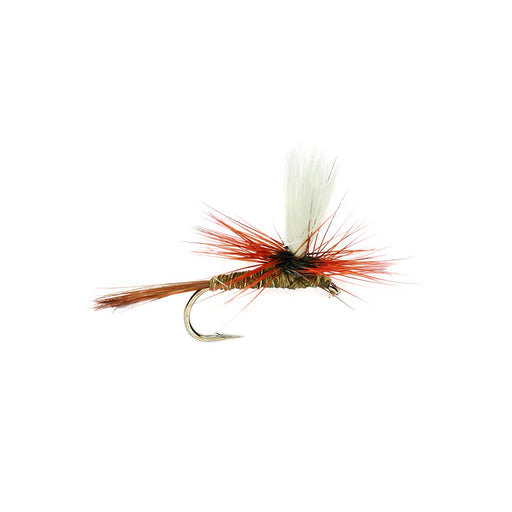
Fulling Mill Greenwells Parachute
Fulling Mill
Original price
$4.20
-
Original price
$4.20
Original price
$4.20
$4.20
-
$4.20
Current price
$4.20
The same olive, sitting lower in the film This is the Greenwell's dressing rebuilt on a parachute hackle, wound flat around an upright post instead...
View full details
Fulling Mill Greenwells Glory
Fulling Mill
Original price
$4.20
-
Original price
$4.20
Original price
$4.20
$4.20
-
$4.20
Current price
$4.20
Still the answer to an olive hatch, 170 years on Canon William Greenwell came off the Tweed in May 1854 beaten by a pale olive hatch, took a natura...
View full details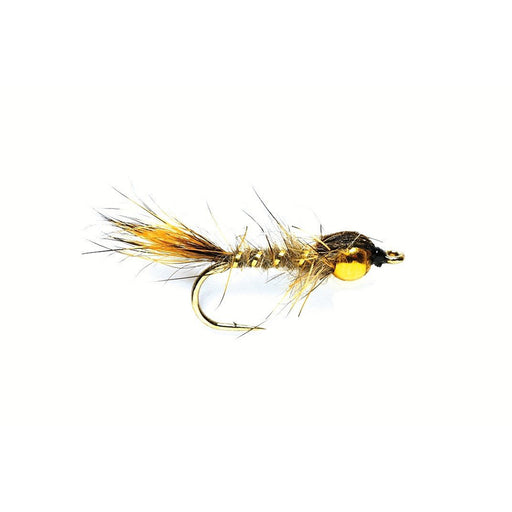
Fulling Mill Gold Ribbed Hare's Ear Nymph - Natural
Fulling Mill
Original price
$3.90
-
Original price
$3.90
Original price
$3.90
$3.90
-
$3.90
Current price
$3.90
The gold rib is what the name is about The dressing goes back a long way, with hare's ear fur turning up in patterns Charles Cotton set down in 167...
View full details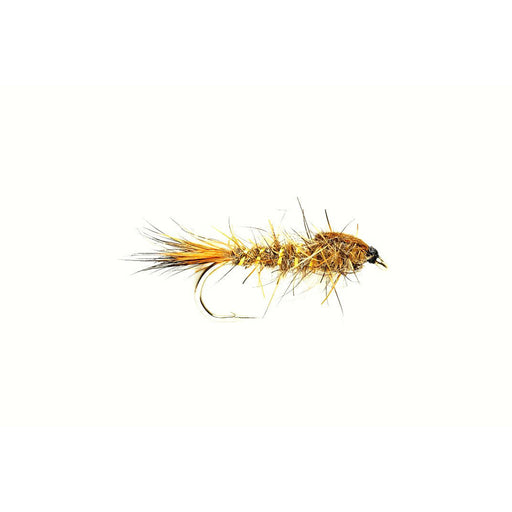
Fulling Mill Gold Ribbed Hare's Ear Nymph - Natural Unweighted
Fulling Mill
Original price
$3.90
-
Original price
$3.90
Original price
$3.90
$3.90
-
$3.90
Current price
$3.90
No weight at all, which is the whole point An unweighted nymph does things a beaded one cannot. It can be fished slowly over a weed bed without dra...
View full details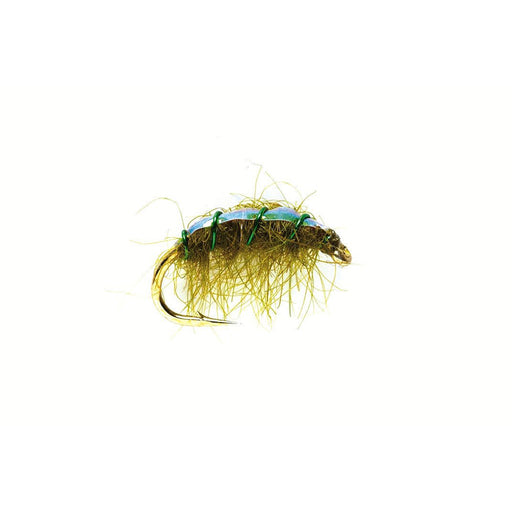
Fulling Mill Flashback Shrimp
Fulling Mill
Original price
$3.90
-
Original price
$3.90
Original price
$3.90
$3.90
-
$3.90
Current price
$3.90
Use the Flashback Shrimp around weed beds where the extra flash makes the fly stand out against the background, fish in both still and running wate...
View full details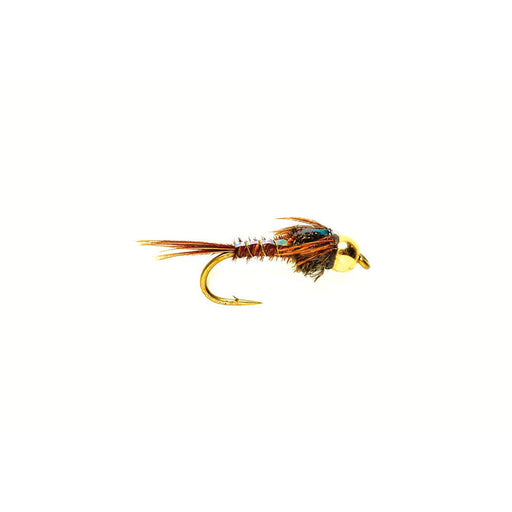
Fulling Mill Flashback Pheasant Tail - Gold Bead
Fulling Mill
Original price
$3.90
-
Original price
$3.90
Original price
$3.90
$3.90
-
$3.90
Current price
$3.90
This best selling Nymph will make stalking easier. The gold bead pulls the fly deeper, whilst the pearlescent flashback make this a useful stalking...
View full details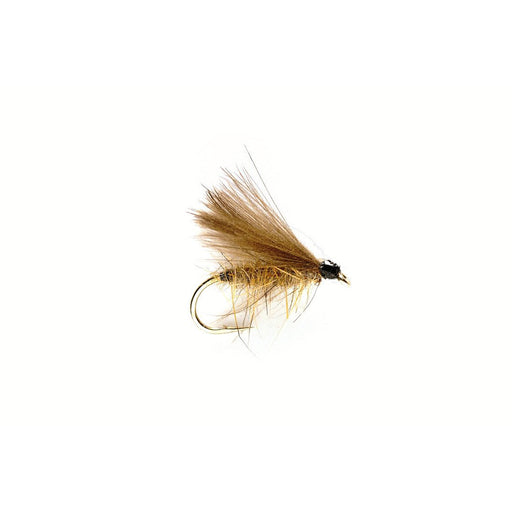
Fulling Mill F Fly Hares Ear CdC
Fulling Mill
Original price
$4.20
-
Original price
$4.20
Original price
$4.20
$4.20
-
$4.20
Current price
$4.20
Originally called the Fratnik Midge, but now simply referred to as the F Fly. This versatile pattern may be used to imitate small sedges, olives, o...
View full details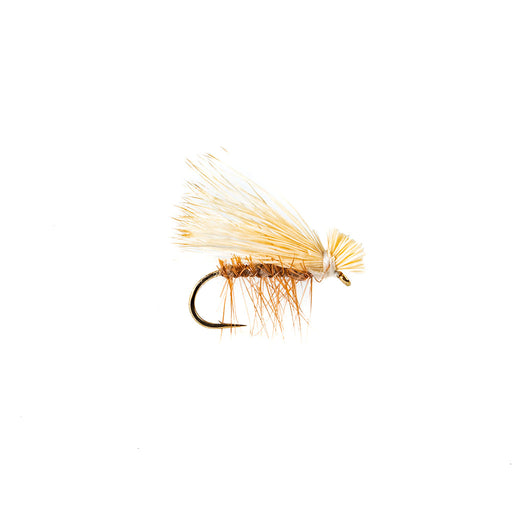
Fulling Mill Elk Wing Caddis - Tan
Fulling Mill
Original price
$4.20
-
Original price
$4.20
Original price
$4.20
$4.20
-
$4.20
Current price
$4.20
A delicacy for the hungry trout. With hundreds of species of Trichoptera present in Australia, Caddis are a major source of food for trout. This is...
View full details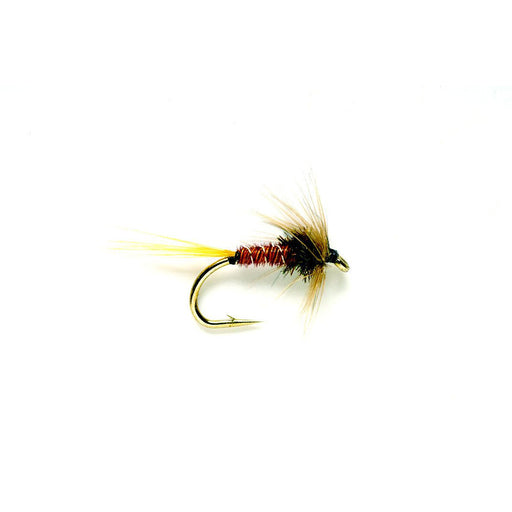
Fulling Mill Cruncher Original - Premium Fishing Fly
Fulling Mill
Original price
$3.90
-
Original price
$3.90
Original price
$3.90
$3.90
-
$3.90
Current price
$3.90
The One & Only, Original Cruncher. This is the original best-selling Cruncher pattern - a lightweight slow sinking nymph pattern that is highly...
View full details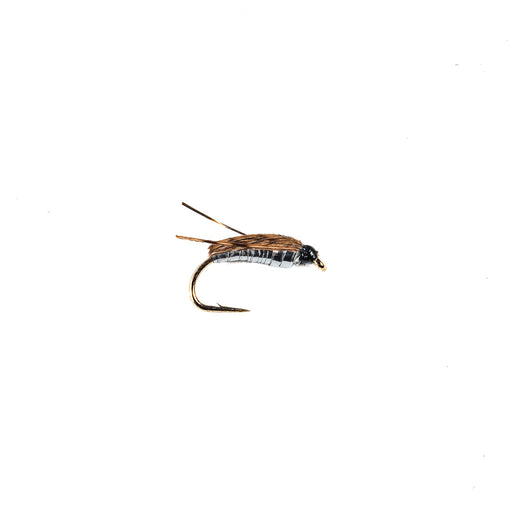
Fulling Mill Corixa (Water Boatman) Silver Paddles - Premium Wet Fly
Fulling Mill
Original price
$3.90
-
Original price
$3.90
Original price
$3.90
$3.90
-
$3.90
Current price
$3.90
An excellent, natural looking imitation to use when fish are feeding on natural corixa. Try it around the weed beds when water boatmen are active. ...
View full details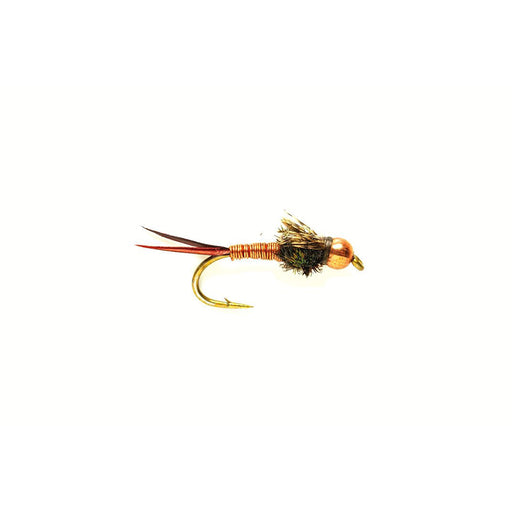
Fulling Mill Copper John
Fulling Mill
Original price
$3.90
-
Original price
$3.90
Original price
$3.90
$3.90
-
$3.90
Current price
$3.90
Copper John is a talented all-rounder. A best-selling general purpose, slim-bodied nymph suitable for imitating a whole range of natural food items...
View full details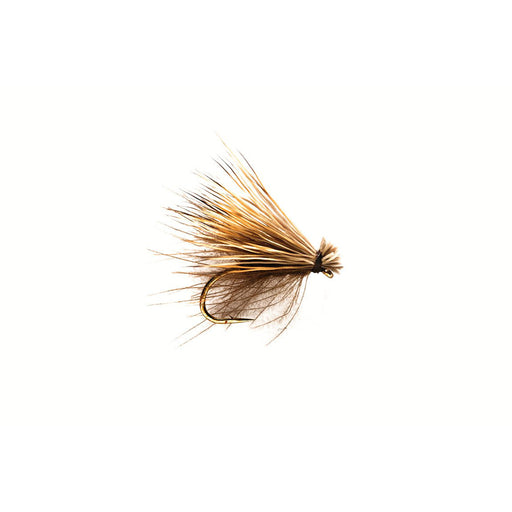
Fulling Mill CdC Elk Caddis
Fulling Mill
Original price
$4.20
-
Original price
$4.20
Original price
$4.20
$4.20
-
$4.20
Current price
$4.20
A delicacy for hungry trout. There are hundreds of species of Trichoptera present in Australia and Caddis are a major source of food for hungry tro...
View full details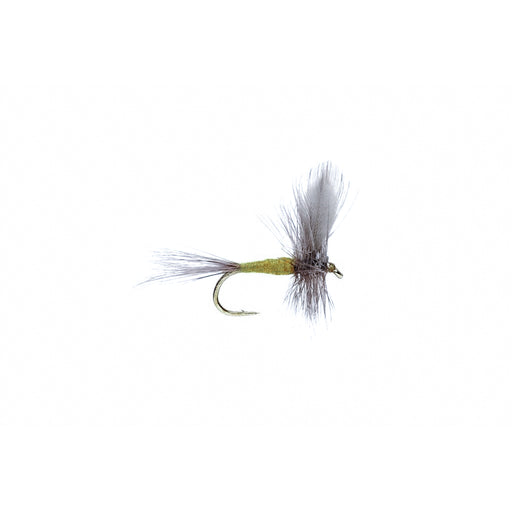
Fulling Mill Blue Wing Olive (BWO)
Fulling Mill
Original price
$4.20
-
Original price
$4.20
Original price
$4.20
$4.20
-
$4.20
Current price
$4.20
The blue winged olive group of mayflies is beloved of trout, and trout-fishers, everywhere. Often appearing in large hatches, they can send the fis...
View full details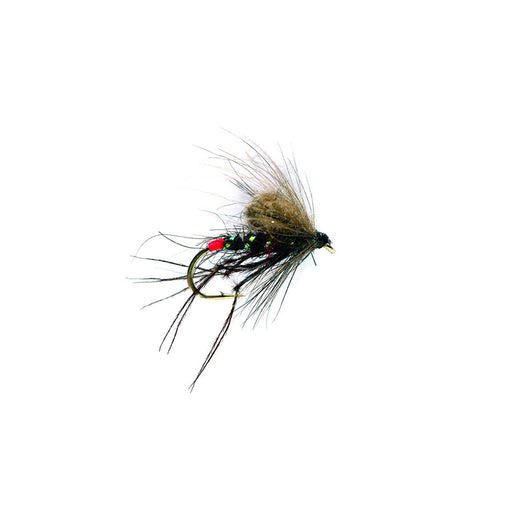
Fulling Mill Bristol Hopper CdC Bibio
Fulling Mill
Original price
$4.20
-
Original price
$4.20
Original price
$4.20
$4.20
-
$4.20
Current price
$4.20
A representative of many struggling insects in the water. The CdC Bibio is a variation on the original Hopper as it uses the natural water repellen...
View full details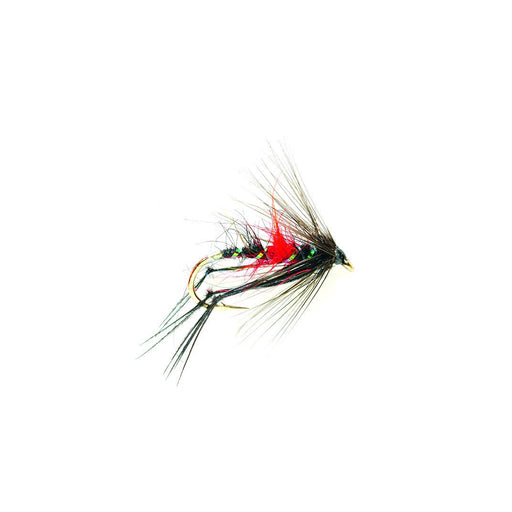
Fulling Mill Bristol Hopper Bibio
Fulling Mill
Original price
$4.20
-
Original price
$4.20
Original price
$4.20
$4.20
-
$4.20
Current price
$4.20
The classic Bibio has been given the Hopper treatment, this style has become a modern classic. Effective as a general representation of many differ...
View full details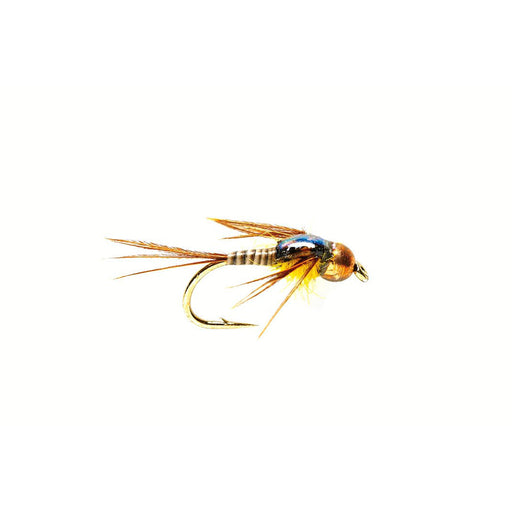
Fulling Mill Brass Bead Mayfly Micro
Fulling Mill
Original price
$3.90
-
Original price
$3.90
Original price
$3.90
$3.90
-
$3.90
Current price
$3.90
It's micro, it's marvellous... it's the Mayfly. The Mayfly Micro covers the smaller mayfly species and also some of the larger Pale Olives. It's a ...
View full details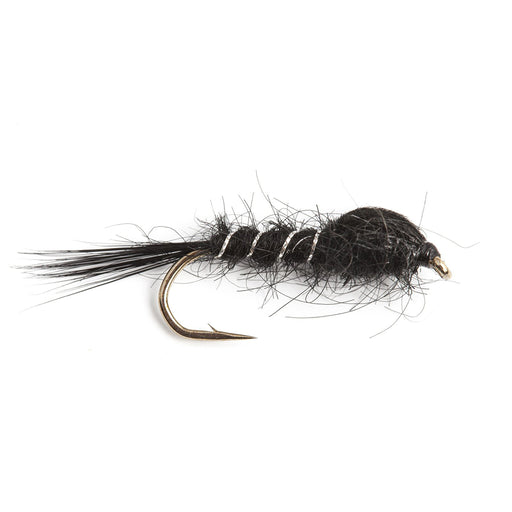
Fulling Mill Black Seals Fur Nymph
Fulling Mill
Original price
$4.20
-
Original price
$4.20
Original price
$4.20
$4.20
-
$4.20
Current price
$4.20
The Seals Fur nymph is a great all-round pattern that has been a worldwide favourite for decades. Effective in both rivers and lakes, this pattern ...
View full details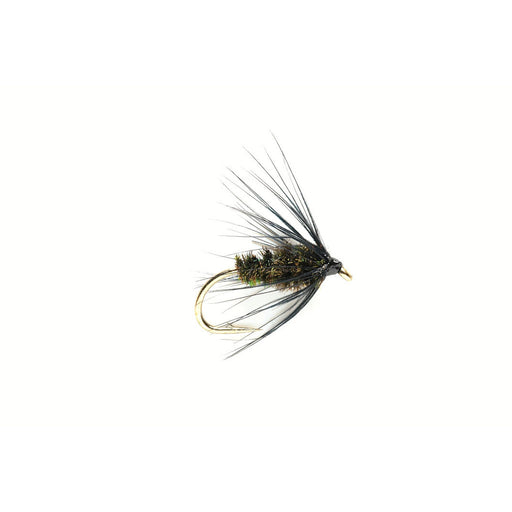
Fulling Mill Black & Peacock
Fulling Mill
Original price
$2.90
-
Original price
$2.90
Original price
$2.90
$2.90
-
$2.90
Current price
$2.90
A post-war classic that is making a comeback. The Black & Peacock was designed by Tom Ivens just after the 2nd World War. This fly has seen a s...
View full details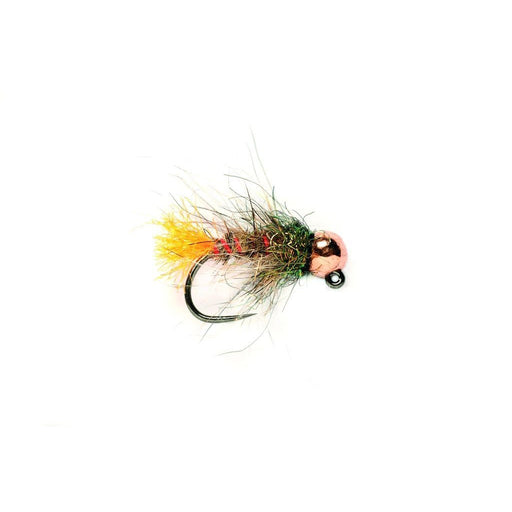
Fulling Mill Tungsten SR Orange Tag - Barbless Jig
Fulling Mill
Original price
$4.20
-
Original price
$4.20
Original price
$4.20
$4.20
-
$4.20
Current price
$4.20
Orange, for the water pink cannot cut through Orange holds its colour deeper and in dirtier water than pink does, so this is the tag jig for heavy ...
View full details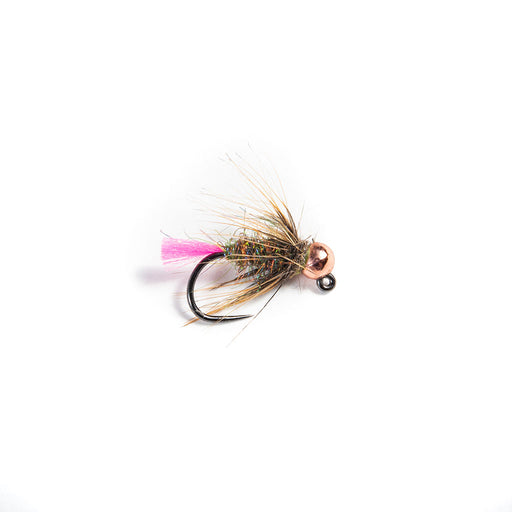
Fulling Mill Tungsten Pink Tag - Barbless Jig
Fulling Mill
Original price
$4.20
-
Original price
$4.20
Original price
$4.20
$4.20
-
$4.20
Current price
$4.20
Same pink, moved to the other end A tag sits at the tail rather than the head, which changes what a fish sees: a dark body with the trigger trailin...
View full details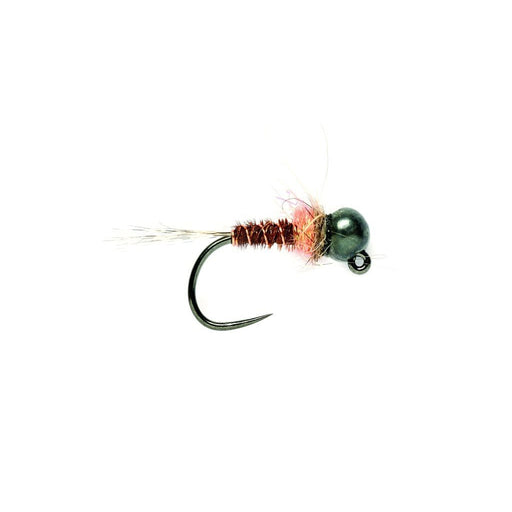
Fulling Mill Tungsten Pink Hot Spot - Barbless Jig
Fulling Mill
Original price
$4.20
-
Original price
$4.20
Original price
$4.20
$4.20
-
$4.20
Current price
$4.20
A flash of pink where the fish looks first The hot spot sits at the head, right at the point a trout focuses as the fly comes past, and pink is abo...
View full details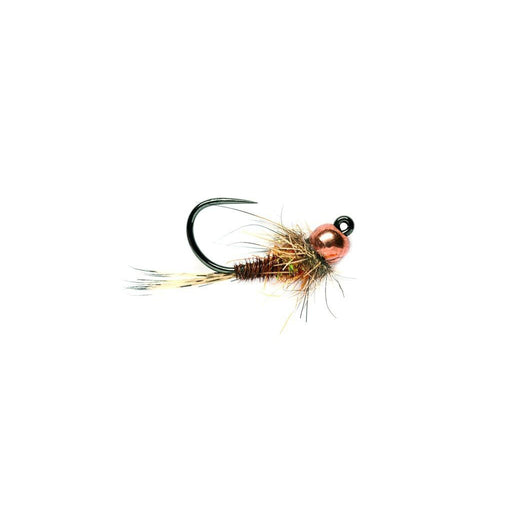
Fulling Mill Tungsten Pheasant Tail Hot Spot - Barbless Jig
Fulling Mill
Original price
$4.20
-
Original price
$4.20
Original price
$4.20
$4.20
-
$4.20
Current price
$4.20
Rides point up, so it goes where you would not risk a normal nymph The jig hook is the whole point. A slotted tungsten bead flips the hook so it ri...
View full details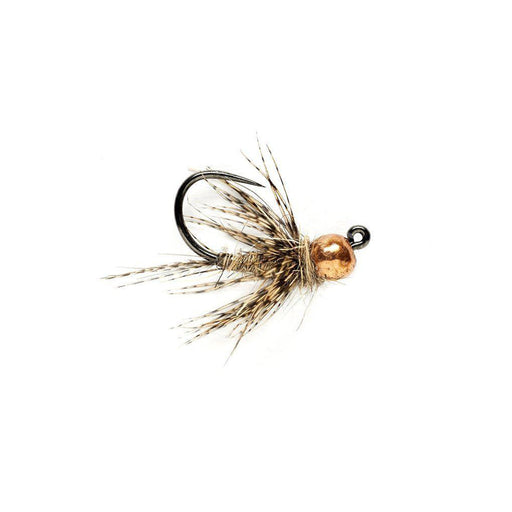
Fulling Mill Tungsten KJ March Brown - Barbless Jig
Fulling Mill
Original price
$4.20
-
Original price
$4.20
Original price
$4.20
$4.20
-
$4.20
Current price
$4.20
The imitative one, for when the water is low and clear Where most weighted jigs lean on a hot spot to get noticed, this one relies on looking right...
View full details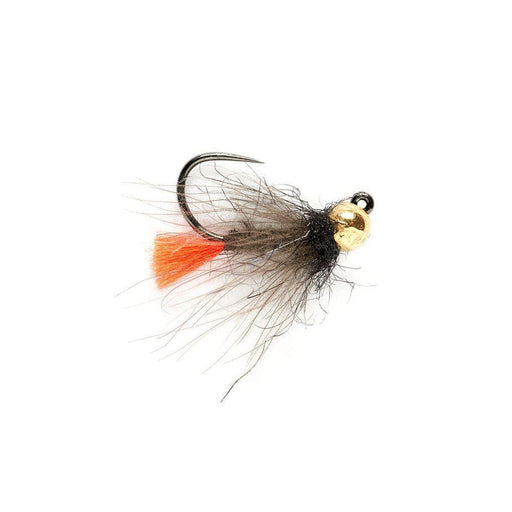
Fulling Mill Tungsten KJ CdC Red Tag - Barbless Jig
Fulling Mill
Original price
$4.20
-
Original price
$4.20
Original price
$4.20
$4.20
-
$4.20
Current price
$4.20
The most Australian fly there is, on a jig hook Martyn Flynn tied the first Red Tag in Worcestershire in the 1850s and called it the Worcestershire...
View full details