


Fly Fishing Gear | Fly Fishing Flies | All
Your fly should be the only thing the fish sees; make it the right one.
At Tom's Outdoors, we boast a huge collection of fly fishing flies from Fulling Mill, MFC, RIO and Catagory 3 Fly Company - We handpick flies that are suitable for use in our local area, around Australia and across the ditch (or dutch as our Kiwi cousins would say).
Click here to read more...
WHAT TYPES OF FLIES ARE BEST FOR TROUT?
There are three main types of artificial flies in freshwater trout fishing, Dry flies, Nymphs and Wet flies (aka streamers) that anglers use to represent most of what trout eat.
- Dry flies: Designed to stay ‘dry’ and float on the water's surface, either representing an insect that has ‘hatched’ out of the water, like a Mayfly-Dun or a Caddis, or representing an insect that has fallen onto the water (terrestrial insects) like a Grasshopper. These flies are generally fished drifted along naturally in the current.
- Nymphs: Represent the aquatic juvenile phase of a water-born flying insect, like a Mayfly-Nymph, Caddis-Grub, or Stonefly-Nymph, and are fished throughout the water column from just under the surface film to the bottom, sinking with the aid of built-in or external weight. Nymphs are generally drifted naturally with the current, as well as being given some small movement underwater from time to time.
- Wet flies (or Streamers): Fished below the water's surface, these flies often imitate larger invertebrates like crayfish (yabbies), mud-eye, and damselfly, as well as larger vertebrates like frogs, baitfish, and even other small trout. They are generally fished quite aggressively through the current to imitate the darting fleeing nature of these prey items.
HOW TO CHOOSE A FLY
The three main things to consider when looking at selecting any fly are Profile, Movement, and Colour, in that order.
- The profile of the fly is one of the first things that a fish sees from a distance and will let them know if they are looking at viable prey; you want to match the size and shape of the food item you are imitating.
- Movement is the next thing that triggers a fish into eating your fly, whether it is slight movement that is ‘built into’ the fly like a soft hackle feather or how the fly reacts when moved through the water, such as the long tail made of marabou on a woolly-bugger.
- Finally, colour is a consideration, but not as important as most people would assume. Fish see colour differently from people and although it can be useful to have a fly in a range of colours, you can generally stick with bright, dark, or natural colours.
A note on ‘Ultra-Violet Hot-Spots’: one important consideration is does your fly have ultra-violet materials built into it? This is often an excellent extra trigger that results in getting fish to eat the flies as many fish species hunt in the Ultraviolet spectrum.
ATTRACTOR-PATTERNS VS IMITATIVE-PATTERNS.
Attractor patterns are designed to suggest life and movement without trying to match exactly one type of food or prey item. Imitative patterns are tied to try and look as much like the real thing as possible. They are both important styles to keep in mind when selecting effective flies for any situation. In general, the longer a fish will get to look at your flies, i.e. fishing very slowly on a lake or sand flat in clear water, the more imitative a fly should be. The less time a fish will see you fly, i.e. fishing a fast-flowing river or stripping a fly quickly through the water column the more of a general attractor a fly can be, the best flies generally have a mix of both!
Here at Tom’s we also stock all the necessary flies for targeting Australian Native Freshwater and Saltwater species. We have flies for Murray-Cod, Australian-Bass, Golden Perch, Flathead, Australian Salmon, Bream, Golden trevally, GT’s, Tuskies, Permit, and pretty-well any other species you’d care to throw a fly at, even carp... (unfortunately) - Native Freshwater and Saltwater patterns often fall into Surface (Floating) or Subsurface (Sinking) categories, most of which are fished actively to imitate the movement of the prey they represent. A typical surface fly would be a popper, which can imitate a frog or mouse ‘blooping’ across the surface, or even a wounded baitfish attempting to escape from a rocky ledge. Subsurface flies can range from patterns that represent baitfish all the way through to crayfish, crabs, shrimp and even drifting seaweed.
NEED HELP CHOOSING FLIES? CONTACT US TODAY
Simply get in touch with our friendly sales team – they’re always up for a chat. You can contact us by calling our Tumut store on (02) 6947 4062 or by email.
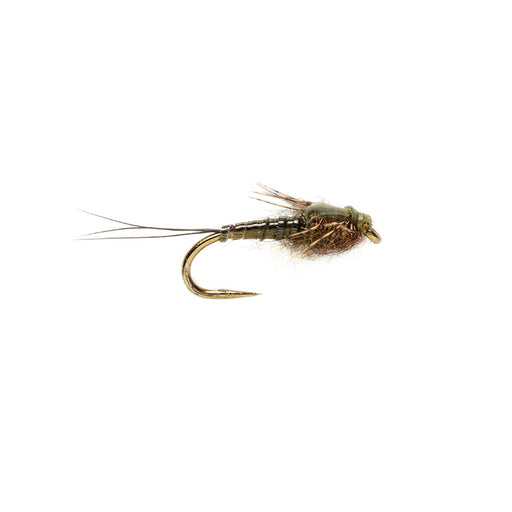
Fulling Mill OE Double Bead Beatis
Fulling Mill
Original price
$4.20
-
Original price
$4.20
Original price
$4.20
$4.20
-
$4.20
Current price
$4.20
Beatis are back! Then again they never really went anywhere... An ultra-slim profile, super lifelike tail and leg arrangement, this fly is a clear/...
View full details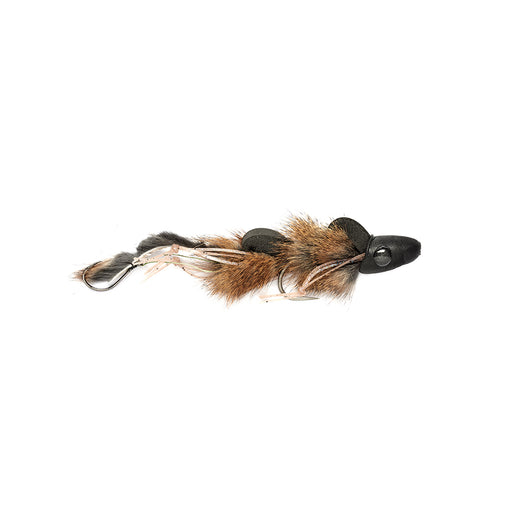
Fulling Mill Mousey McMouseface
Fulling Mill
Original price
$11.90
-
Original price
$11.90
Original price
$11.90
$11.90
-
$11.90
Current price
$11.90
The Mouse that's in your face! The Mousey McMouse face is THE articulated mouse pattern to have in your box. Swing it at night on a switch-rod, str...
View full details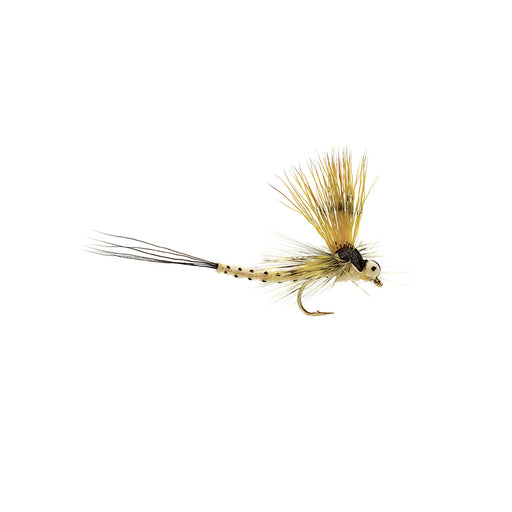
Fulling Mill Mohican Mayfly
Fulling Mill
Original price
$4.20
-
Original price
$4.20
Original price
$4.20
$4.20
-
$4.20
Current price
$4.20
A fantastic Kosciuszko dun pattern Big Mayflys, Big results. The Mohican will slay those big Kozzie Dun feeders when the big bugs pop.

Fulling Mill Dad's Demoiselle
Fulling Mill
Original price
$4.20
-
Original price
$4.20
Original price
$4.20
$4.20
-
$4.20
Current price
$4.20
Trout love a Damsel in Distress An Excellent crippled/egg laying Damsel pattern with a dis-jointed hanging thorax that will stand out in a swarm o...
View full details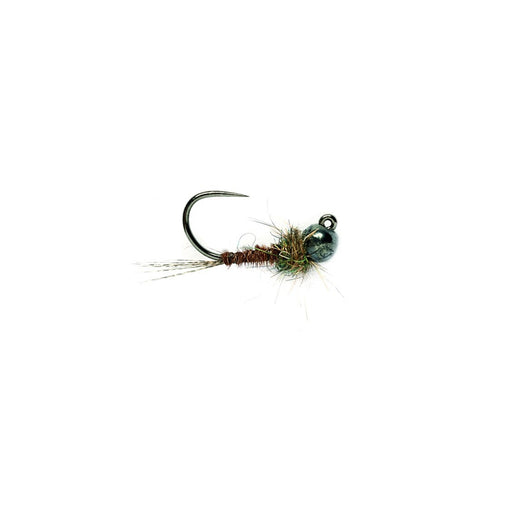
Fulling Mill Natural Pheasant Tail - Barbless Jig
Fulling Mill
Original price
$4.20
-
Original price
$4.20
Original price
$4.20
$4.20
-
$4.20
Current price
$4.20
A standout-natural Pheasant tail Jig This is a stellar all-rounder of a jig pattern. Natural with just the slightest hint of flash around the thora...
View full details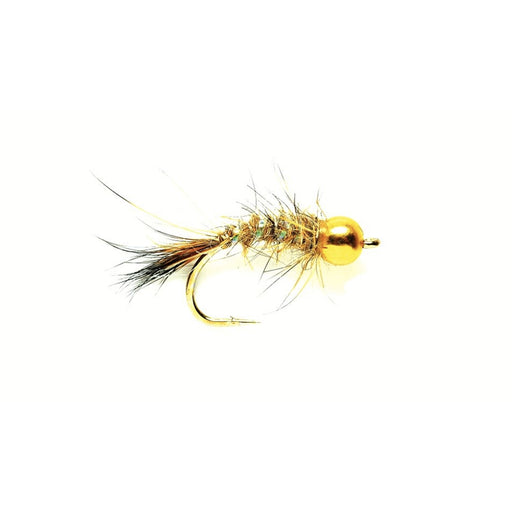
Fulling Mill Hare's Ear Natural (Gold Nugget)
Fulling Mill
Original price
$3.90
-
Original price
$3.90
Original price
$3.90
$3.90
-
$3.90
Current price
$3.90
The Gold Nugget at the end of the Rainbow Although it's much more likely to be found in a Rainbow's mouth than at the end of an actual Rainbow. A g...
View full details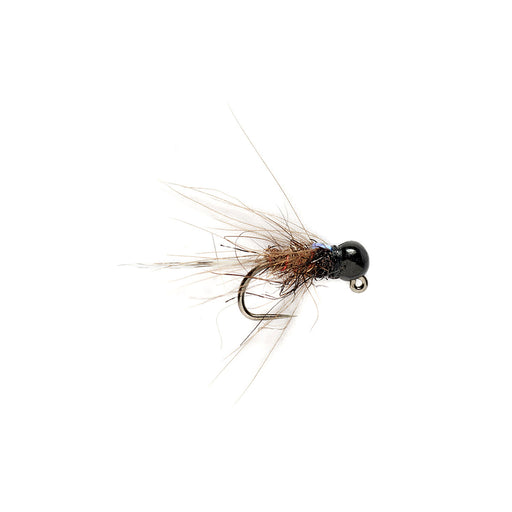
Fulling Mill KJ Dirty Water Jig - Barbless
Fulling Mill
Original price
$4.20
-
Original price
$4.20
Original price
$4.20
$4.20
-
$4.20
Current price
$4.20
Get Down, Get Dirty A great Jig fly for dirty water; a little bit of CdC, a touch of flash and all class from Kieron Jenkins.
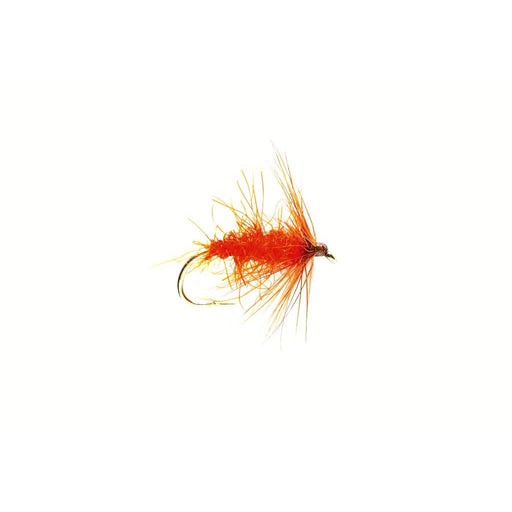
Fulling Mill Carrot Fly - Orange
Fulling Mill
Original price
$3.90
-
Original price
$3.90
Original price
$3.90
$3.90
-
$3.90
Current price
$3.90
Easy pickings for fish feeding on adult or emerging bugs that have become trapped in and on the surface film
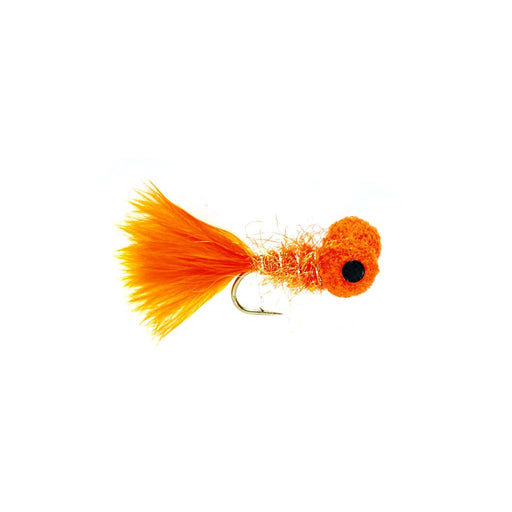
Fulling Mill Booby Fly - Orange
Fulling Mill
Original price
$3.90
-
Original price
$3.90
Original price
$3.90
$3.90
-
$3.90
Current price
$3.90
The loud one, for finding fish in deep water Down where a booby works, past the point most flies reach, there is very little light left and even le...
View full details
Fulling Mill Hot Head Straggle Damsel - Barbless
Fulling Mill
Original price
$4.20
-
Original price
$4.20
Original price
$4.20
$4.20
-
$4.20
Current price
$4.20
The bright head is doing more than helping you see it A hot head puts a single point of colour right where a fish focuses as the fly comes past, wh...
View full details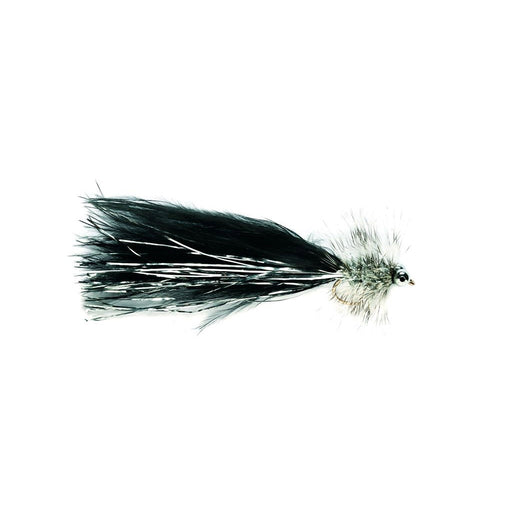
Fulling Mill Humungus - Barbless
Fulling Mill
Original price
$4.20
-
Original price
$4.20
Original price
$4.20
$4.20
-
$4.20
Current price
$4.20
A lure small enough to fish among wet flies The Humungus came off the Scottish lochs as a small lure rather than a full streamer, and that size is ...
View full details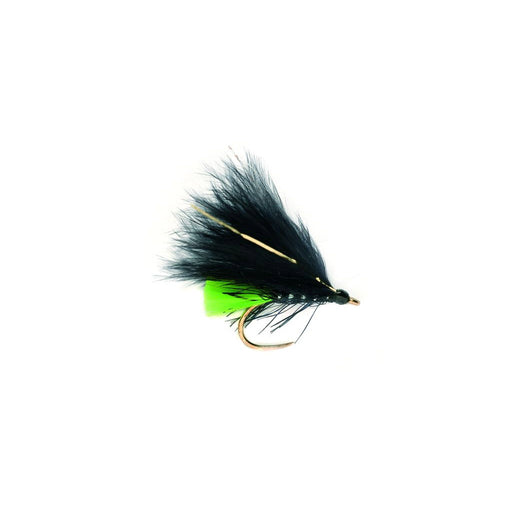
Fulling Mill Viva Special - Barbless
Fulling Mill
Original price
$3.30
-
Original price
$3.30
Original price
$3.30
$3.30
-
$3.30
Current price
$3.30
Black body, green tail, and nothing else needed The Viva combination has been catching stillwater trout for decades on the simplest possible logic:...
View full details![Fulling Mill Buzzer Black [Superglue]](http://www.tomsoutdoors.com.au/cdn/shop/products/2421_512x512.jpg?v=1564707269)
Fulling Mill Buzzer Black [Superglue]
Fulling Mill
Original price
$2.90
-
Original price
$2.90
Original price
$2.90
$2.90
-
$2.90
Current price
$2.90
The Superglue buzzers are streamlined patterns that are ideal for fishing below an indicator or as a team of buzzers 'straight lining'. Fish two or...
View full details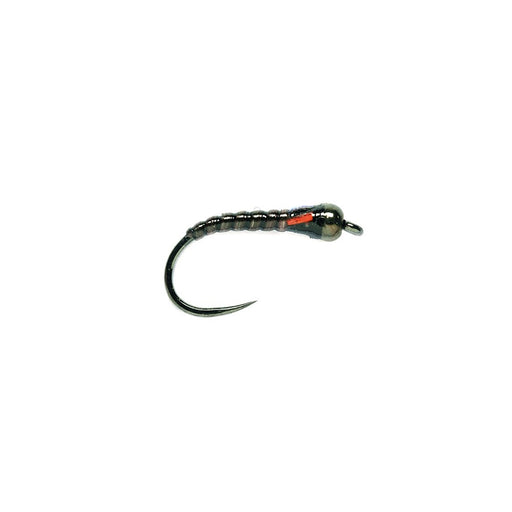
Fulling Mill Buzzer Tungsten Nugget Olive Barbless
Fulling Mill
Original price
$4.20
-
Original price
$4.20
Original price
$4.20
$4.20
-
$4.20
Current price
$4.20
A very effective lake pattern designed to imitate the natural chironomid. Fished under an indicator or slow retrieved at different depths, this i...
View full details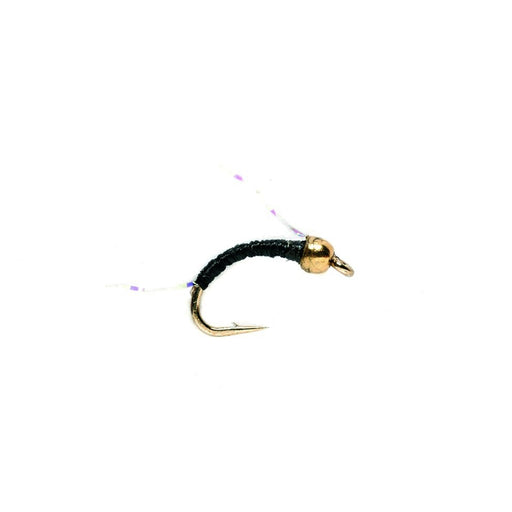
Fulling Mill Micro Midge Black
Fulling Mill
Original price
$3.30
-
Original price
$3.30
Original price
$3.30
$3.30
-
$3.30
Current price
$3.30
This micro midge with its weighted gold bead head is an ideal point fly when used with the Specialist Buzzers on the droppers as part of a delicat...
View full details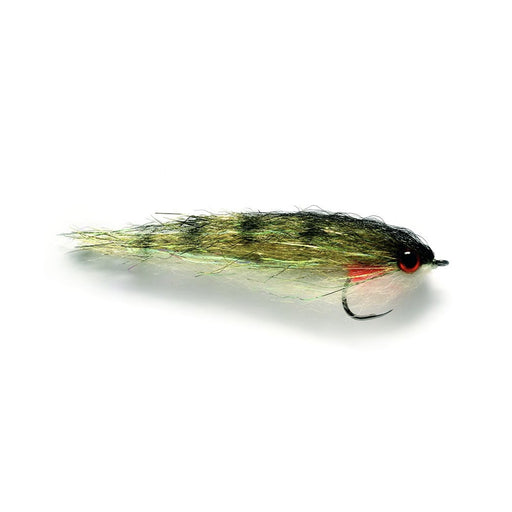
Fulling Mill Dougie's Perch
Fulling Mill
Original price
$11.90
-
Original price
$11.90
Original price
$11.90
$11.90
-
$11.90
Current price
$11.90
A cod hook with a redfin wrapped around it Redfin are one of the main things a Murray cod eats in the impoundments, and a fly that matches one need...
View full details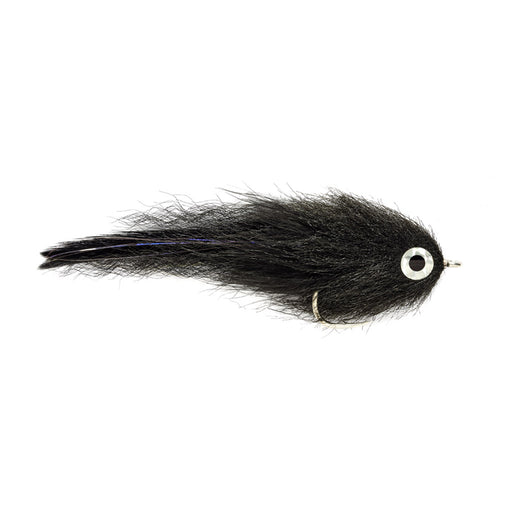
Fulling Mill Black Brushy
Fulling Mill
Original price
$11.90
-
Original price
$11.90
Original price
$11.90
$11.90
-
$11.90
Current price
$11.90
Black, for Murray cod and dirty water Brushed synthetic fibre gives a fly bulk and a fat, water-pushing profile without much weight, which is exact...
View full details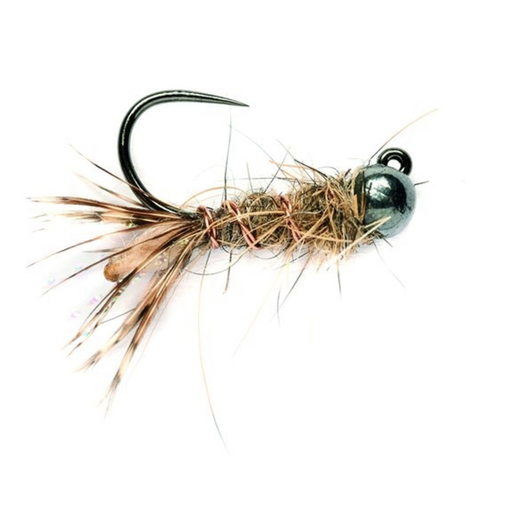
Fulling Mill Peeping Caddis - Barbless Jig
Fulling Mill
Original price
$4.20
-
Original price
$4.20
Original price
$4.20
$4.20
-
$4.20
Current price
$4.20
Peeping out to get eaten This Jig caddis pattern is tied with a tungsten bead which is perfect for when the fish are hard on the bottom in a big...
View full details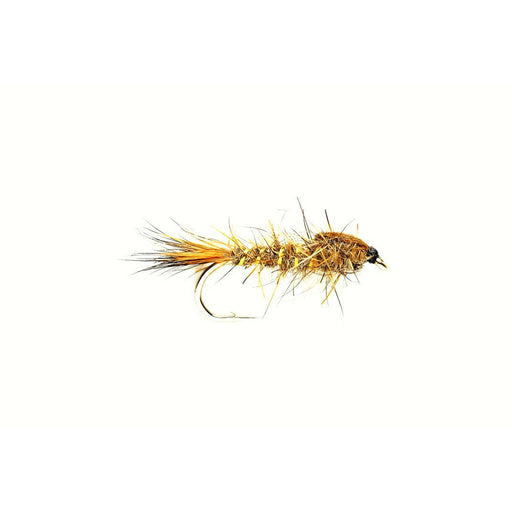
Fulling Mill Gold Ribbed Hare's Ear Nymph - Natural Weighted
Fulling Mill
Original price
$3.90
-
Original price
$3.90
Original price
$3.90
$3.90
-
$3.90
Current price
$3.90
Weight under the dressing, nothing bright at the head This version carries its weight beneath the body rather than in a bead, so it sinks without a...
View full details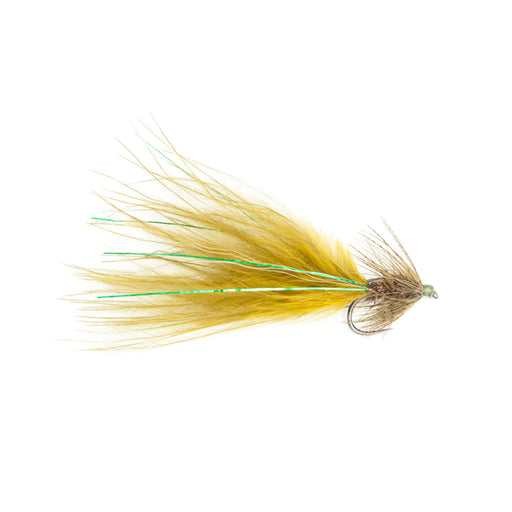
Fulling Mill Christopher Bassano's Olive Head McGoo - Unweighted
Fulling Mill
Original price
$4.95
-
Original price
$4.95
Original price
$4.95
$4.95
-
$4.95
Current price
$4.95
No bead, so it rides high on the top dropper Without a bead this one stays up in the water, which makes it the top dropper to the weighted version'...
View full details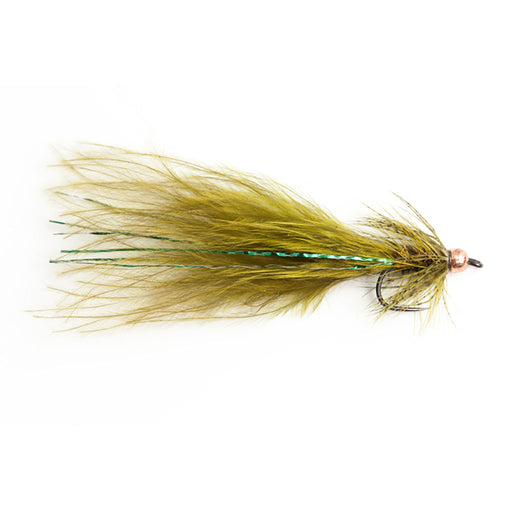
Fulling Mill Christopher Bassano's McGoo - Copper Tungsten Bead
Fulling Mill
Original price
$4.95
-
Original price
$4.95
Original price
$4.95
$4.95
-
$4.95
Current price
$4.95
The weighted one, which belongs on the point The McGoo came out of Ireland and was developed into its current form by Ballarat anglers, and it has ...
View full details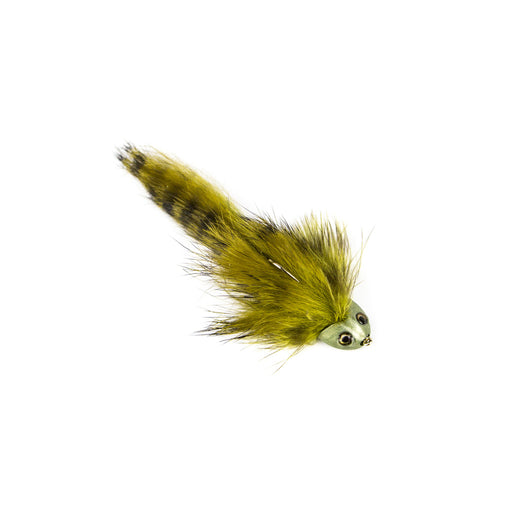
Fulling Mill Olive Sculpin
Fulling Mill
Original price
$6.80
-
Original price
$6.80
Original price
$6.80
$6.80
-
$6.80
Current price
$6.80
The name is Northern Hemisphere, the job is not Sculpins are not Australian fish, so take the name as a description of shape rather than a species:...
View full details
Fulling Mill Rusty Spent Spinner
Fulling Mill
Original price
$4.20
-
Original price
$4.20
Original price
$4.20
$4.20
-
$4.20
Current price
$4.20
The last meal of the evening, and the one they rarely refuse Every mayfly ends the same way. After the mating flight the spinners fall to the water...
View full details
Fulling Mill Green Drake
Fulling Mill
Original price
$4.20
-
Original price
$4.20
Original price
$4.20
$4.20
-
$4.20
Current price
$4.20
A big mayfly, for when a big mouthful is what they want The green drake is the largest mayfly most Northern Hemisphere anglers will ever see, close...
View full details