


Fly Fishing Gear | Fly Fishing Flies | All
Your fly should be the only thing the fish sees; make it the right one.
At Tom's Outdoors, we boast a huge collection of fly fishing flies from Fulling Mill, MFC, RIO and Catagory 3 Fly Company - We handpick flies that are suitable for use in our local area, around Australia and across the ditch (or dutch as our Kiwi cousins would say).
Click here to read more...
WHAT TYPES OF FLIES ARE BEST FOR TROUT?
There are three main types of artificial flies in freshwater trout fishing, Dry flies, Nymphs and Wet flies (aka streamers) that anglers use to represent most of what trout eat.
- Dry flies: Designed to stay ‘dry’ and float on the water's surface, either representing an insect that has ‘hatched’ out of the water, like a Mayfly-Dun or a Caddis, or representing an insect that has fallen onto the water (terrestrial insects) like a Grasshopper. These flies are generally fished drifted along naturally in the current.
- Nymphs: Represent the aquatic juvenile phase of a water-born flying insect, like a Mayfly-Nymph, Caddis-Grub, or Stonefly-Nymph, and are fished throughout the water column from just under the surface film to the bottom, sinking with the aid of built-in or external weight. Nymphs are generally drifted naturally with the current, as well as being given some small movement underwater from time to time.
- Wet flies (or Streamers): Fished below the water's surface, these flies often imitate larger invertebrates like crayfish (yabbies), mud-eye, and damselfly, as well as larger vertebrates like frogs, baitfish, and even other small trout. They are generally fished quite aggressively through the current to imitate the darting fleeing nature of these prey items.
HOW TO CHOOSE A FLY
The three main things to consider when looking at selecting any fly are Profile, Movement, and Colour, in that order.
- The profile of the fly is one of the first things that a fish sees from a distance and will let them know if they are looking at viable prey; you want to match the size and shape of the food item you are imitating.
- Movement is the next thing that triggers a fish into eating your fly, whether it is slight movement that is ‘built into’ the fly like a soft hackle feather or how the fly reacts when moved through the water, such as the long tail made of marabou on a woolly-bugger.
- Finally, colour is a consideration, but not as important as most people would assume. Fish see colour differently from people and although it can be useful to have a fly in a range of colours, you can generally stick with bright, dark, or natural colours.
A note on ‘Ultra-Violet Hot-Spots’: one important consideration is does your fly have ultra-violet materials built into it? This is often an excellent extra trigger that results in getting fish to eat the flies as many fish species hunt in the Ultraviolet spectrum.
ATTRACTOR-PATTERNS VS IMITATIVE-PATTERNS.
Attractor patterns are designed to suggest life and movement without trying to match exactly one type of food or prey item. Imitative patterns are tied to try and look as much like the real thing as possible. They are both important styles to keep in mind when selecting effective flies for any situation. In general, the longer a fish will get to look at your flies, i.e. fishing very slowly on a lake or sand flat in clear water, the more imitative a fly should be. The less time a fish will see you fly, i.e. fishing a fast-flowing river or stripping a fly quickly through the water column the more of a general attractor a fly can be, the best flies generally have a mix of both!
Here at Tom’s we also stock all the necessary flies for targeting Australian Native Freshwater and Saltwater species. We have flies for Murray-Cod, Australian-Bass, Golden Perch, Flathead, Australian Salmon, Bream, Golden trevally, GT’s, Tuskies, Permit, and pretty-well any other species you’d care to throw a fly at, even carp... (unfortunately) - Native Freshwater and Saltwater patterns often fall into Surface (Floating) or Subsurface (Sinking) categories, most of which are fished actively to imitate the movement of the prey they represent. A typical surface fly would be a popper, which can imitate a frog or mouse ‘blooping’ across the surface, or even a wounded baitfish attempting to escape from a rocky ledge. Subsurface flies can range from patterns that represent baitfish all the way through to crayfish, crabs, shrimp and even drifting seaweed.
NEED HELP CHOOSING FLIES? CONTACT US TODAY
Simply get in touch with our friendly sales team – they’re always up for a chat. You can contact us by calling our Tumut store on (02) 6947 4062 or by email.
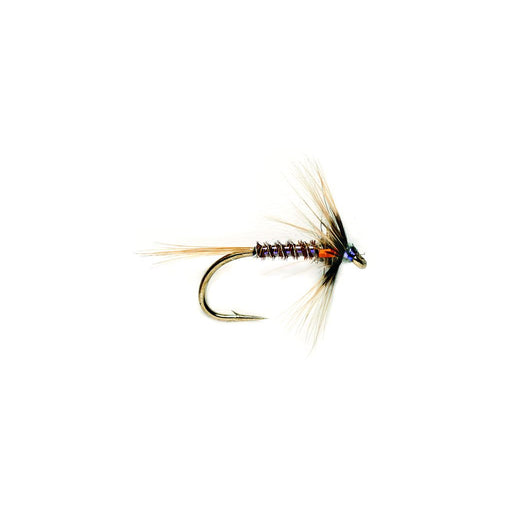
Fulling Mill Orange Cruncher
Fulling Mill
Original price
$2.90
-
Original price
$2.90
Original price
$2.90
$2.90
-
$2.90
Current price
$2.90
For the days the lake is boiling with buzzers Crunchers were built for stillwater competition, and they earn their keep when a buzzer hatch is on a...
View full details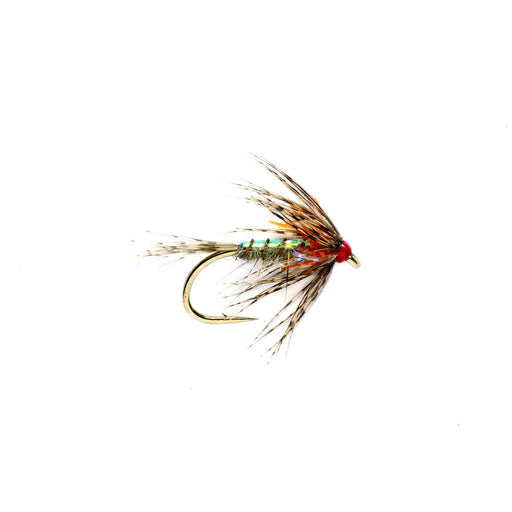
Fulling Mill Killer
Fulling Mill
Original price
$2.90
-
Original price
$2.90
Original price
$2.90
$2.90
-
$2.90
Current price
$2.90
Hackle, a bright head and a body that sparkles Three things make a traditional wet fly work and this has all of them in balance: soft hackle for mo...
View full details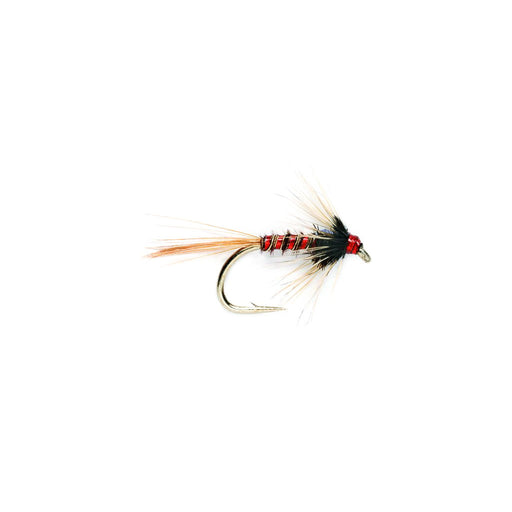
Fulling Mill Nemo Holo Red
Fulling Mill
Original price
$2.90
-
Original price
$2.90
Original price
$2.90
$2.90
-
$2.90
Current price
$2.90
Holographic flash reads differently to pearl Holographic tinsel splits light into hard, prismatic flashes rather than the soft glow pearl gives, an...
View full details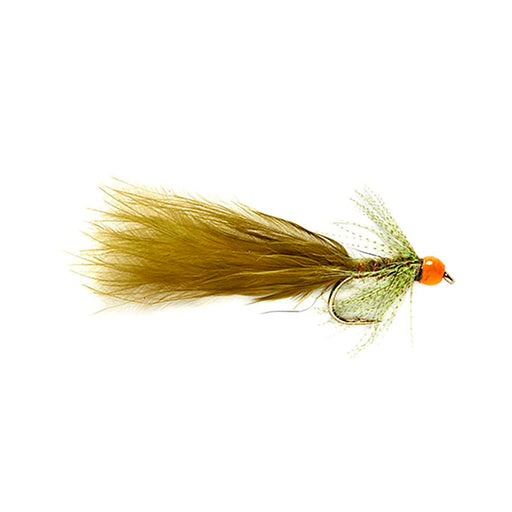
Fulling Mill Hot Head Damsel Orange
Fulling Mill
Original price
$3.90
-
Original price
$3.90
Original price
$3.90
$3.90
-
$3.90
Current price
$3.90
They swim for the bank, and the trout know it Damsel nymphs are big compared with most of what a trout eats sub-surface, and when they are ready to...
View full details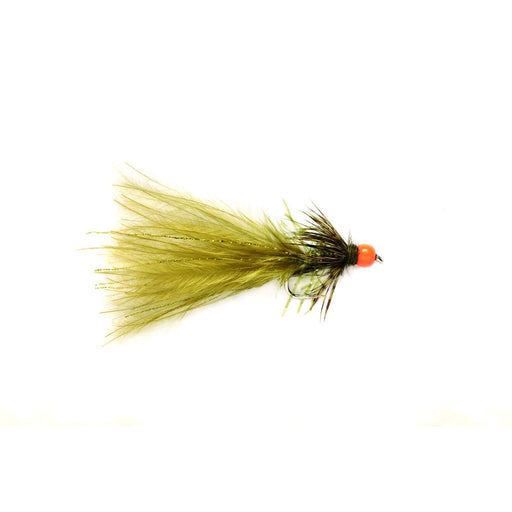
Fulling Mill Hot Damsel Straggle Orange bead
Fulling Mill
Original price
$3.90
-
Original price
$3.90
Original price
$3.90
$3.90
-
$3.90
Current price
$3.90
More movement, and a darker outline behind it Straggle fritz has long fibres that flare and collapse with every pull, which gives this version far ...
View full details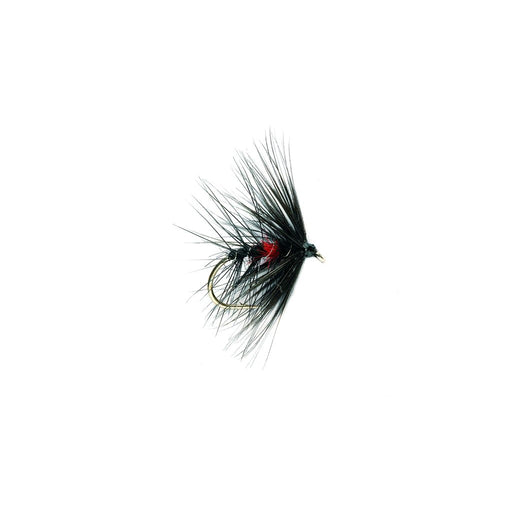
Fulling Mill Bibio Bushy Bob
Fulling Mill
Original price
$2.90
-
Original price
$2.90
Original price
$2.90
$2.90
-
$2.90
Current price
$2.90
The bob fly, and the reason a three fly cast works On a loch-style team the top dropper is not fished deep, it is tripped along in the surface wher...
View full details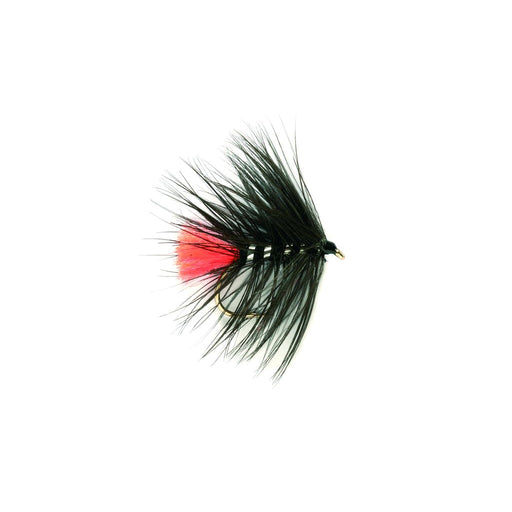
Fulling Mill Zulu Black Bushy Bob
Fulling Mill
Original price
$2.90
-
Original price
$2.90
Original price
$2.90
$2.90
-
$2.90
Current price
$2.90
Black, red and a slash of silver, in a wave The Zulu has no natural to match and has never needed one. Palmered hackle the length of a black body, ...
View full details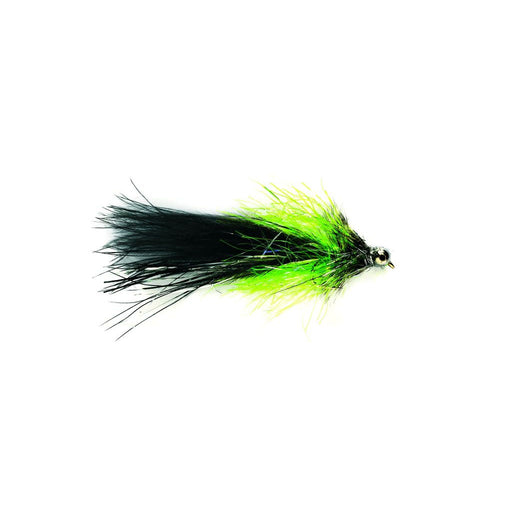
Fulling Mill Martini Black Cat Hummie
Fulling Mill
Original price
$3.90
-
Original price
$3.90
Original price
$3.90
$3.90
-
$3.90
Current price
$3.90
Bead chain, so it swims level rather than nose down The head weight on a small lure decides how it swims. Bead chain is light enough that the fly h...
View full details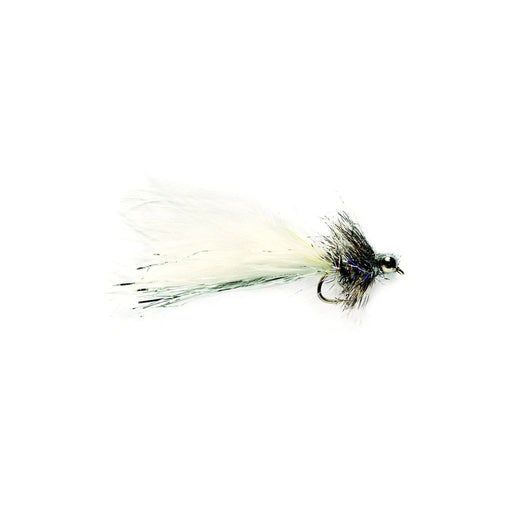
Fulling Mill Martini Fry Hummie
Fulling Mill
Original price
$3.90
-
Original price
$3.90
Original price
$3.90
$3.90
-
$3.90
Current price
$3.90
Fry are small, so this is too When trout are herding bait the usual mistake is fishing something far bigger than what they are actually eating. Sma...
View full details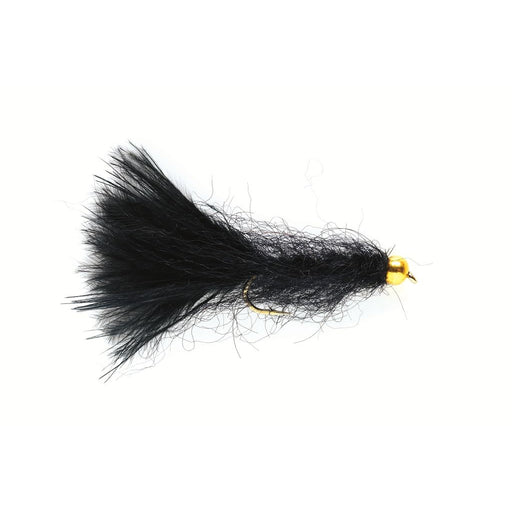
Fulling Mill Gold Nugget Leech - Black
Fulling Mill
Original price
$3.40
-
Original price
$3.40
Original price
$3.40
$3.40
-
$3.40
Current price
$3.40
Leeches swim badly, and trout have noticed A leech moves through the water with a slow, undulating wriggle and no real speed, which makes it one of...
View full details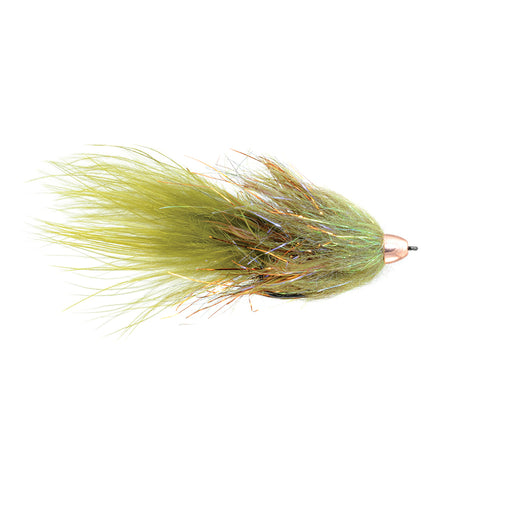
Fulling Mill Complex T/Bugger - Olive
Fulling Mill
Original price
$5.90
-
Original price
$5.90
Original price
$5.90
$5.90
-
$5.90
Current price
$5.90
A cone head does what a bead cannot The tungsten cone at the front is the difference between this and a standard bugger: it carries more weight in ...
View full details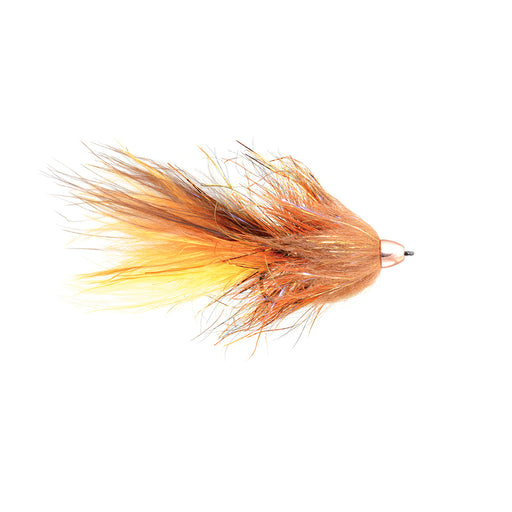
Fulling Mill Complex T/Bugger - Fall
Fulling Mill
Original price
$5.90
-
Original price
$5.90
Original price
$5.90
$5.90
-
$5.90
Current price
$5.90
Autumn colours, for autumn fish The fall dressing mixes rust, orange and brown, and it comes into its own late in the season when browns turn aggre...
View full details
Fulling Mill El Sculpito - Olive
Fulling Mill
Original price
$9.90
-
Original price
$9.90
Original price
$9.90
$9.90
-
$9.90
Current price
$9.90
A heavy fly on a floating line, which is not a contradiction The obvious way to fish something this size is a sink tip, but there is a better one. ...
View full details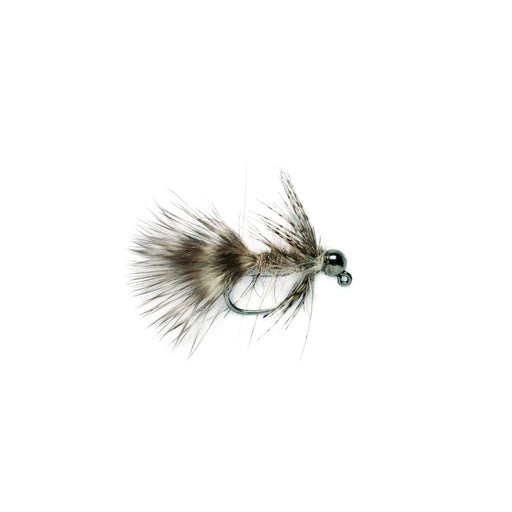
Fulling Mill Jig Bugger Tan - Tungsten Barbless Jig
Fulling Mill
Original price
$4.20
-
Original price
$4.20
Original price
$4.20
$4.20
-
$4.20
Current price
$4.20
Big enough to be a yabby, small enough to fish as a nymph Tan sits it squarely in yabby colours, and worked slowly along the bottom that is exactly...
View full details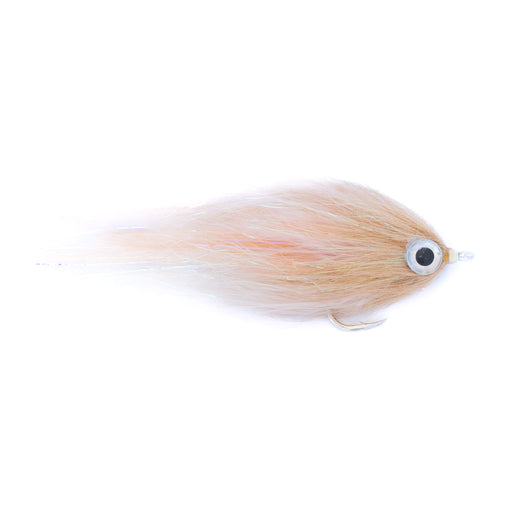
Fulling Mill GT Brushy Profile
Fulling Mill
Original price
$11.90
-
Original price
$11.90
Original price
$11.90
$11.90
-
$11.90
Current price
$11.90
Tan, and pointed squarely at the tropics The tan dressing puts this one in baitfish colours rather than cod colours, which is why it belongs in a t...
View full details
Fulling Mill McPhail Blowfly
Fulling Mill
Original price
$4.20
-
Original price
$4.20
Original price
$4.20
$4.20
-
$4.20
Current price
$4.20
Everyone needs good Blowie in their Box Blowfly patterns are synonmas with big trout, searching big rifles in open braided rivers, slapping them do...
View full details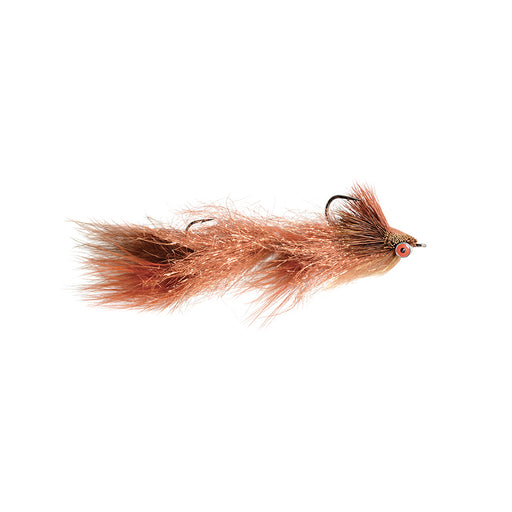
Fulling Mill Arctic Trout Slider - Copper
Fulling Mill
Original price
$11.90
-
Original price
$11.90
Original price
$11.90
$11.90
-
$11.90
Current price
$11.90
The hook rides up, so you can fish it into the snags Most big streamers get lost the first time you put one properly tight to a log. This one rides...
View full details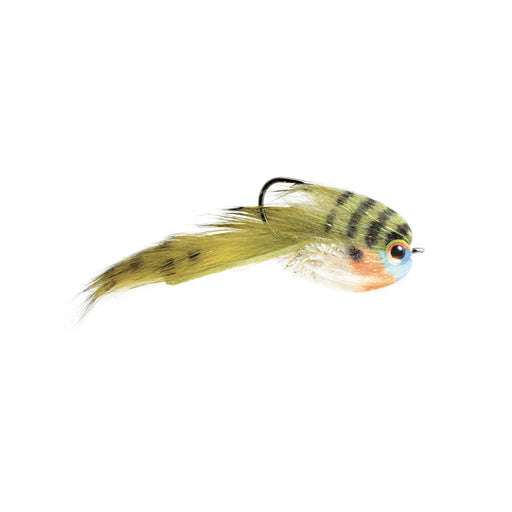
Fulling Mill Belly Scratcher Minnow
Fulling Mill
Original price
$11.90
-
Original price
$11.90
Original price
$11.90
$11.90
-
$11.90
Current price
$11.90
The weight is on the belly, not the head Most weighted streamers carry their lead at the nose, which makes them dive. This one carries a tungsten k...
View full details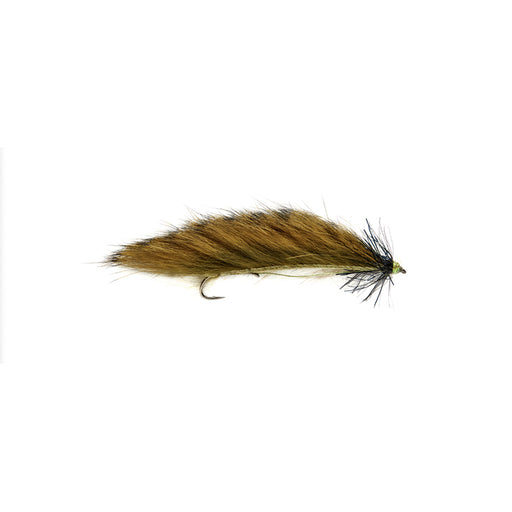
Fulling Mill Mini-Unweighted Snake - Olive
Fulling Mill
Original price
$4.20
-
Original price
$4.20
Original price
$4.20
$4.20
-
$4.20
Current price
$4.20
No weight in the fly, so the line does the deciding An unweighted streamer swims level rather than diving, which means the depth it fishes at is se...
View full details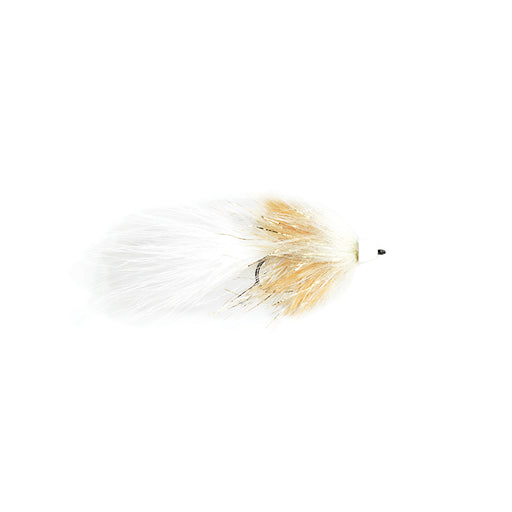
Fulling Mill Complex T/Bugger - White
Fulling Mill
Original price
$5.90
-
Original price
$5.90
Original price
$5.90
$5.90
-
$5.90
Current price
$5.90
For when they are eating fish, not insects White is the baitfish colour. It reads as a galaxiid, a small trout or a school of fry pushed up against...
View full details
Fulling Mill Complex T/Bugger - Black
Fulling Mill
Original price
$5.90
-
Original price
$5.90
Original price
$5.90
$5.90
-
$5.90
Current price
$5.90
The one to learn swinging big flies with Black is where most people start when they move up to bigger streamers, and there is sense in it: the silh...
View full details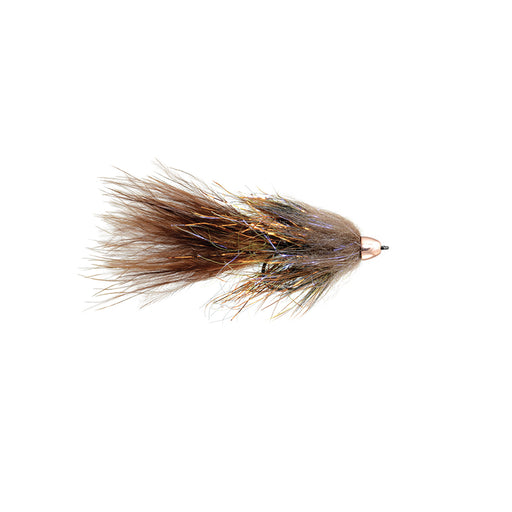
Fulling Mill Complex T/Bugger - Brown
Fulling Mill
Original price
$5.90
-
Original price
$5.90
Original price
$5.90
$5.90
-
$5.90
Current price
$5.90
Brown, because trout eat an enormous number of yabbies Yabbies are one of the biggest single food items in Australian lakes and slow rivers, and a ...
View full details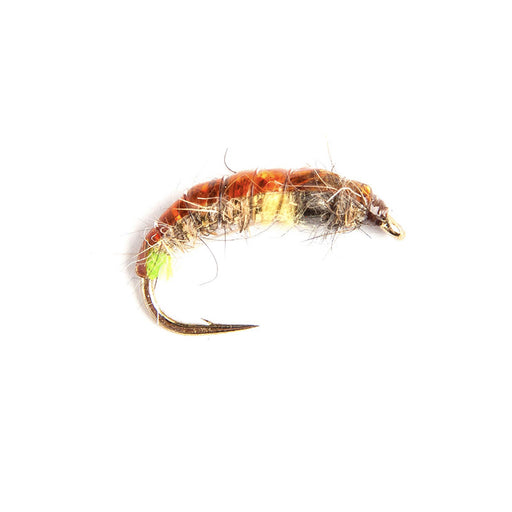
Fulling Mill Depth Charge Czech Mate Hare's Ear - Amber
Fulling Mill
Original price
$3.90
-
Original price
$3.90
Original price
$3.90
$3.90
-
$3.90
Current price
$3.90
Czech, Mate. Who doesn't love an excellent pun? Be warned though this fly is no joke! A very serious bottom-bouncing fish catcher straight form the...
View full details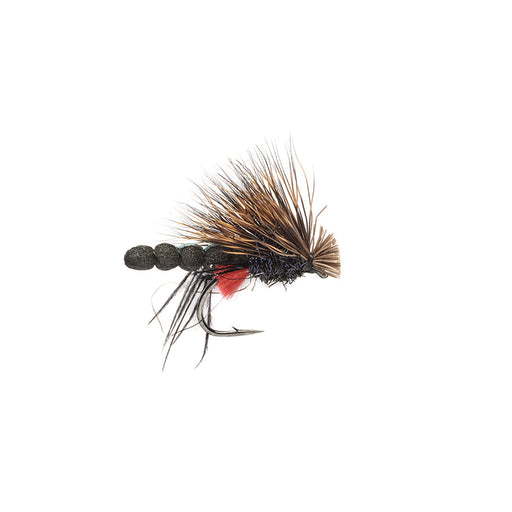
Fulling Mill McPhail Red Tag Hopper
Fulling Mill
Original price
$4.20
-
Original price
$4.20
Original price
$4.20
$4.20
-
$4.20
Current price
$4.20
Take a Red-Tag and a Hopper, Smash them Together, Brilliant. Rather than being a Frankenstein of a fly, this is the perfect combination of a beetle...
View full details