


Fly Fishing Gear | Dry Flies
Dun's, Caddis, midge, Hoppers and anything else that float on the water trout eat! There are fe better experiences then watching a proper fish commit to coming to the surface to suck down your floating presentation. We have handpicked a selection of dry flies from quality brands like Fulling Mill, Category 3 and RIO Flies.
Click here to read more...
WHAT IS A DRY FLY?
A dry fly is a type of fly designed to float on the water's surface, mimicking insects or terrestrials that naturally land on or hover above the water. Unlike wet flies or nymphs, which sink beneath the surface, dry flies are intended to be seen by fish that are feeding on the top. This makes them particularly effective in situations where fish are actively looking for surface food.
WHEN TO FISH DRY FLIES
Dry fly fishing is most effective during certain times of the year and under specific water conditions. Spring and summer are ideal seasons for using dry flies due to the increased insect activity during these warmer months. This period often features hatches of mayflies, caddisflies, and hoppers, which make the surface of the water a prime feeding zone for fish. Autumn can also be a good time for dry fly fishing, particularly when targeting species that feed on midges or blue-winged olives.
In terms of water conditions, dry flies are best used in clear or lightly stained water. Such conditions allow fish to easily spot the fly on the surface. Additionally, dry flies perform well in slow-moving or still water, where the fly can drift naturally and attract fish without being influenced by strong currents.
WHAT IS AN IDEAL DRY FLY SETUP?
For an ideal dry fly setup, the rod, line, leader, and tippet all play crucial roles. A rod designed for dry fly fishing is typically lightweight, with a weight range from 3 to 5. This helps achieve the delicate presentations required for effective dry fly fishing. Rod lengths usually range from 7.5 to 9 feet. Longer rods provide better casting distance and accuracy, while shorter rods offer improved control in tighter spaces.
The line used should be a weight-forward floating line. This type of line supports the delicate presentation of the fly and helps keep it afloat. Leaders for dry fly fishing are generally longer than those used for other types of fly fishing, ranging from 7.5 to 12 feet. A tapered leader helps with turnover and reduces drag on the surface, which is crucial for a natural presentation.
Tippets are used to connect the leader to the fly and are typically lighter than the leader itself. For dry fly fishing, tippet sizes commonly range from 4X to 6X, depending on the size of the fly and the fish being targeted. The lighter tippet ensures that the dry fly drifts naturally on the water, enhancing its effectiveness in attracting fish.
NEED HELP CHOOSING FLIES? CONTACT US TODAYIf you have a particular dry fly setup in mind but would appreciate some additional advice. Simply get in touch with our friendly sales team – they’re always up for a chat. You can contact us by calling our Tumut store on (02) 6947 4062 or by email.
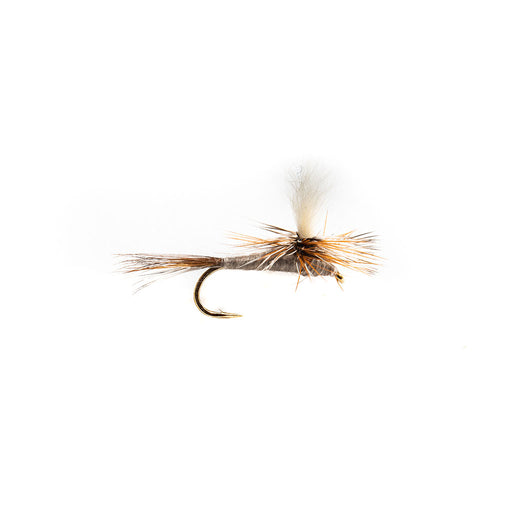
Fulling Mill Parachute Adams
Fulling Mill
Original price
$4.20
-
Original price
$4.20
Original price
$4.20
$4.20
-
$4.20
Current price
$4.20
Lands right way up, every single cast The parachute hackle is the whole point: wound horizontally around an upright post rather than around the hoo...
View full details
Fulling Mill March Brown - Kosciuszko Dun (Pale Body)
Fulling Mill
Original price
$4.20
-
Original price
$4.20
Original price
$4.20
$4.20
-
$4.20
Current price
$4.20
The straightforward one, and the one to buy a dozen of The straightforward version and the one to buy a dozen of. A conventional hackle wound at th...
View full details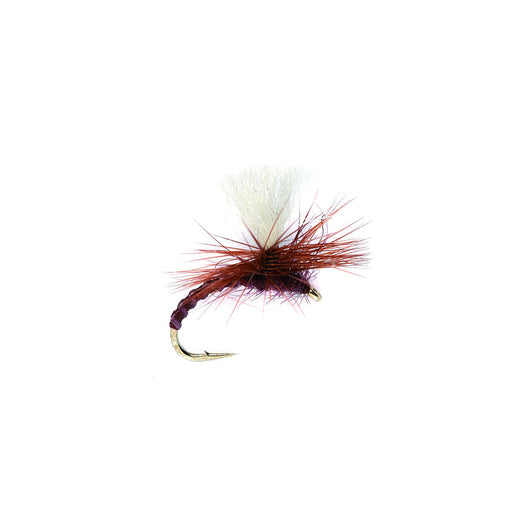
Fulling Mill Klinkhammer Flexi - Claret
Fulling Mill
Original price
$4.20
-
Original price
$4.20
Original price
$4.20
$4.20
-
$4.20
Current price
$4.20
Claret, because our fish keep eating it Claret has a long record on Australian water, and on an emerger silhouette it is a genuinely useful change ...
View full details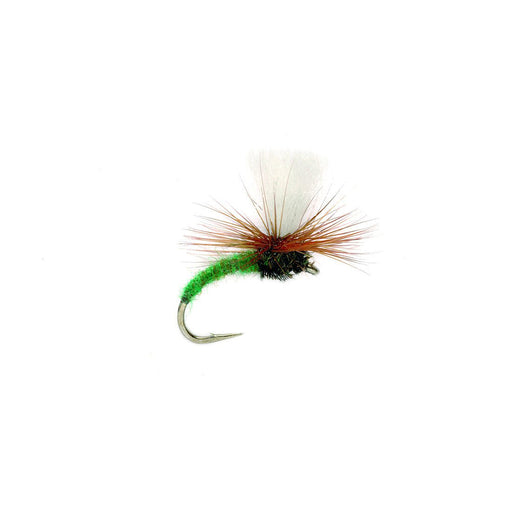
Fulling Mill Klinkhammer - Caddis Green
Fulling Mill
Original price
$4.20
-
Original price
$4.20
Original price
$4.20
$4.20
-
$4.20
Current price
$4.20
Body under the surface, wing on top, and fish cannot leave it alone Hans van Klinken bent a hook on the River Glomma in 1984 so the abdomen would h...
View full details
Fulling Mill Humpy - Yellow
Fulling Mill
Original price
$4.20
-
Original price
$4.20
Original price
$4.20
$4.20
-
$4.20
Current price
$4.20
Deer hair is hollow Deer hair is hollow, which is why the Humpy floats the way it does. The body is a doubled layer of it, hair pulled over hair, s...
View full details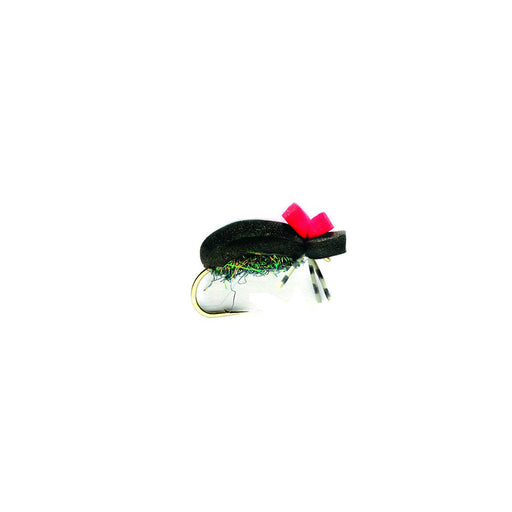
Fulling Mill High Visibility Black Foam Beetle
Fulling Mill
Original price
$3.90
-
Original price
$3.90
Original price
$3.90
$3.90
-
$3.90
Current price
$3.90
Do nothing at all with it A beetle that has fallen in cannot swim, cannot escape and cannot do anything except lie there, which is why trout eat th...
View full details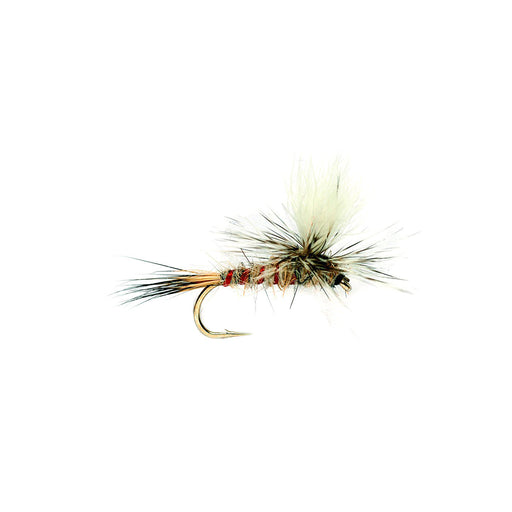
Fulling Mill Hares Ear Parachute
Fulling Mill
Original price
$4.20
-
Original price
$4.20
Original price
$4.20
$4.20
-
$4.20
Current price
$4.20
Scruffy on purpose Hare's ear fur is scruffy, uneven and slightly translucent, and under a parachute hackle that scruffiness is doing a job. A dun ...
View full details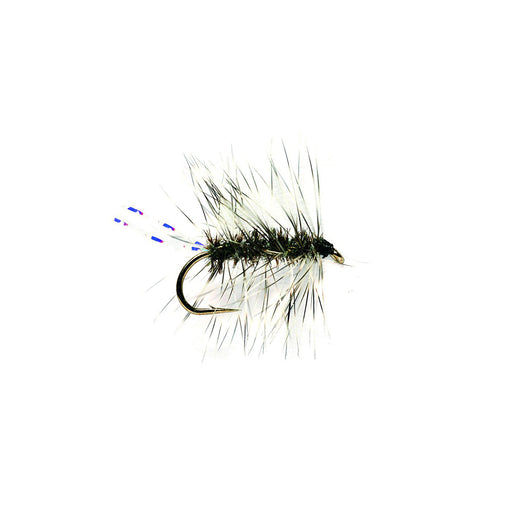
Fulling Mill Griffith's Gnat
Fulling Mill
Original price
$4.20
-
Original price
$4.20
Original price
$4.20
$4.20
-
$4.20
Current price
$4.20
For the rise you can see but cannot match When fish are working steadily on something too small to identify, they are usually on midge, and often o...
View full details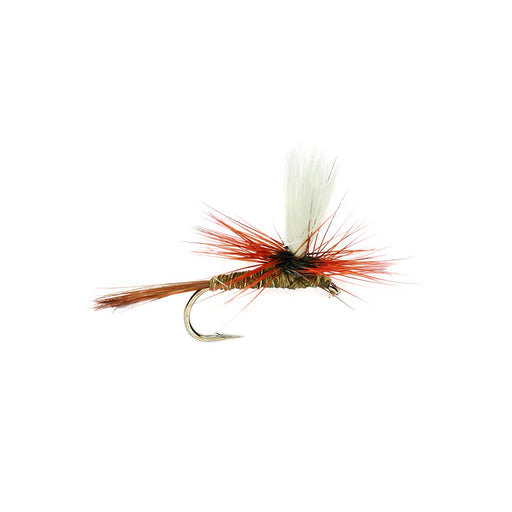
Fulling Mill Greenwells Parachute
Fulling Mill
Original price
$4.20
-
Original price
$4.20
Original price
$4.20
$4.20
-
$4.20
Current price
$4.20
The same olive, sitting lower in the film This is the Greenwell's dressing rebuilt on a parachute hackle, wound flat around an upright post instead...
View full details
Fulling Mill Greenwells Glory
Fulling Mill
Original price
$4.20
-
Original price
$4.20
Original price
$4.20
$4.20
-
$4.20
Current price
$4.20
Still the answer to an olive hatch, 170 years on Canon William Greenwell came off the Tweed in May 1854 beaten by a pale olive hatch, took a natura...
View full details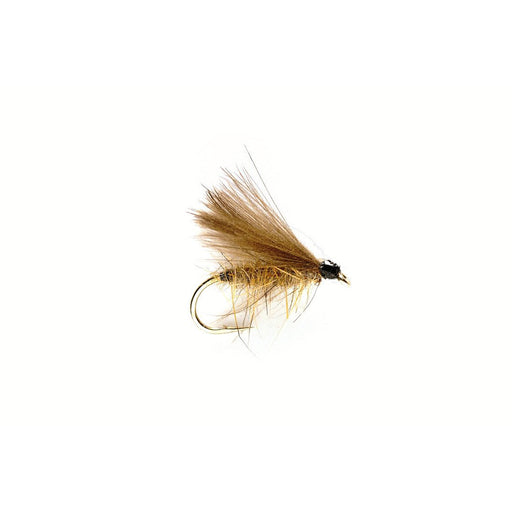
Fulling Mill F Fly Hares Ear CdC
Fulling Mill
Original price
$4.20
-
Original price
$4.20
Original price
$4.20
$4.20
-
$4.20
Current price
$4.20
The scruffy F Fly It started life as the Fratnik Midge and the name stuck around long enough to get shortened to the F Fly. This is that design wit...
View full details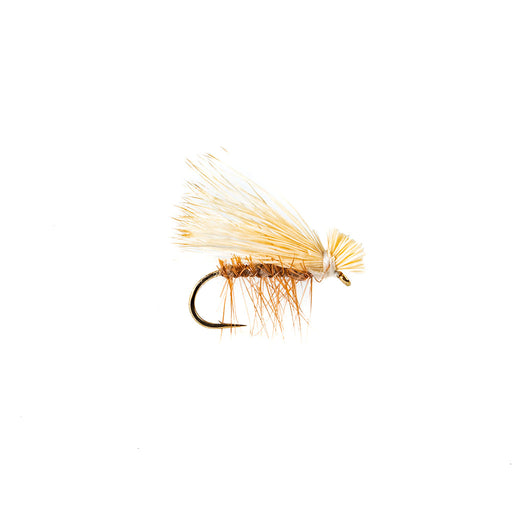
Fulling Mill Elk Wing Caddis - Tan
Fulling Mill
Original price
$4.20
-
Original price
$4.20
Original price
$4.20
$4.20
-
$4.20
Current price
$4.20
The hackle runs the length of the body, and that is the whole trick Al Troth's 1957 design has outlasted nearly everything tied since, and the reas...
View full details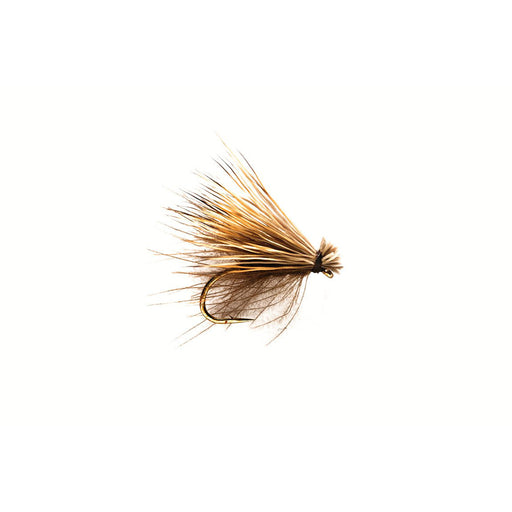
Fulling Mill CdC Elk Caddis
Fulling Mill
Original price
$4.20
-
Original price
$4.20
Original price
$4.20
$4.20
-
$4.20
Current price
$4.20
The drift matters more in an evening rise Evening caddis activity can be frantic, and that is exactly when most people fish badly. With hundreds of...
View full details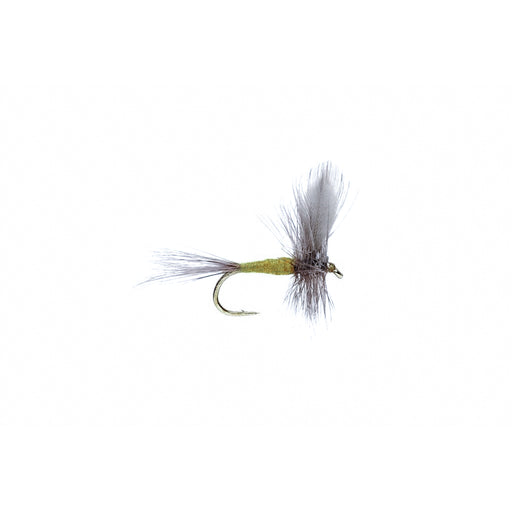
Fulling Mill Blue Wing Olive (BWO)
Fulling Mill
Original price
$4.20
-
Original price
$4.20
Original price
$4.20
$4.20
-
$4.20
Current price
$4.20
The hatch worth being ready for Small olive duns are the hatch that most rewards being prepared for. When they come off in numbers the fish lock on...
View full details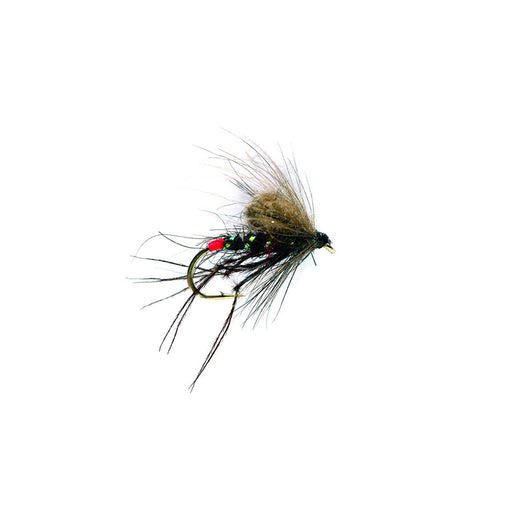
Fulling Mill Bristol Hopper CdC Bibio
Fulling Mill
Original price
$4.20
-
Original price
$4.20
Original price
$4.20
$4.20
-
$4.20
Current price
$4.20
For when the ripple goes The hopper legs of the original with CdC in place of the stiff hackle, which changes where the fly sits. Instead of standi...
View full details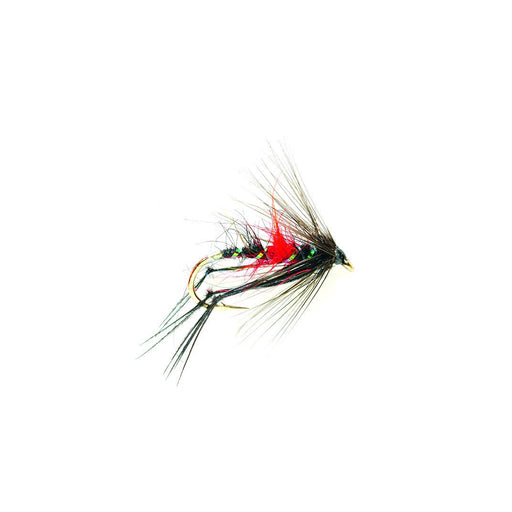
Fulling Mill Bristol Hopper Bibio
Fulling Mill
Original price
$4.20
-
Original price
$4.20
Original price
$4.20
$4.20
-
$4.20
Current price
$4.20
The legs are the trigger Bibio is a colour scheme before it is a fly: black with a band of red, borrowed from the hawthorn and heather flies that b...
View full details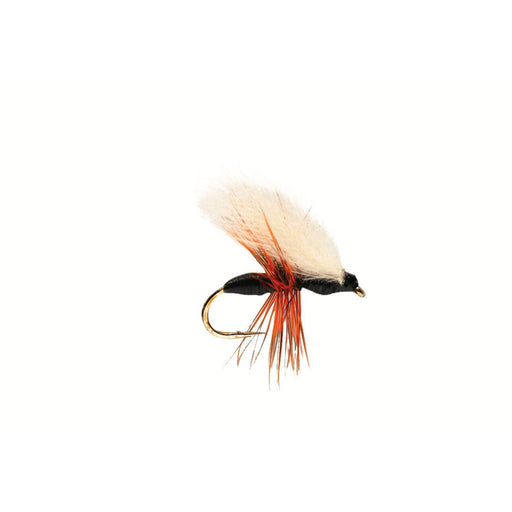
Fulling Mill Ant Black CdC
Fulling Mill
Original price
$4.20
-
Original price
$4.20
Original price
$4.20
$4.20
-
$4.20
Current price
$4.20
The waist is the whole silhouette An ant is one of the few insects a trout can identify from below without any doubt at all. Two dark lumps with a ...
View full details