

Fly Fishing Gear | Fly Reels | All
A good fly reel is the balance point in your system
You need the right reel for the right job. Across our range which includes top brands Sage, Orvis, Lamson and Redington, you'll find the reel you need to chase flats speeders, spotted wrigglers or mottled snag dwellers.
Click here to read more...
WHAT FLY REELS DO WE STOCK AT TOM'S OUTDOORS?
At Tom's Outdoors, we pride ourselves on our wide range of fishing reels from top brands like Sage, Lamson, Orvis, and Redington. Our selection includes large arbor trout reels, spey reels, Euro nymphing reels, and saltwater reels.
BUYING THE CORRECT SIZE FLY REEL
Size and line weight are the two main things to keep in mind when looking at a new fly-reel (and style of course!). Size can be straight-forward as most reels come in a range of sizes that will fit different weight rods. As they go up or down in size ranges what we call the arbour (the outside diameter of the spool) increases or decreases accordingly. So, a reel in the 1wt-3wt range will suit a 1wt, 2wt, or 3wt rod and line. The reason arbour increases or decreases is to fit the correct amount of fly line on any given reel. For instance, if you have a 5wt fly-rod then you could go for a reel that is in the 4wt-6wt category; this reel will fit the amount of fly line perfectly and should balance out the rod nicely.
Balance, however, can also be determined by the actual weight of the reel, not just its size when it comes to what weight fly line it will fit nicely. In general, you want a reel to be as light as possible or as light as you can afford for most reels, but still ‘balance’ out your rod nicely. You want your reel as light as is practical because you will be casting it all day, possibly holding your rod and reel up high while fishing or ‘mending’ line and the lighter the whole combination of rod, reel and line the longer you can fish without fatigue. Heavier rods though, like Saltwater or two-handed Spey rods need a slightly heavier reel to account for the fact that there is more weight at the tip of the rod, so you need more weight at the reel end to make the rod not feel ‘tip-heavy’. The actual weight of the reel is usually determined by the material it's made from.
MACHINED VS. CAST FLY REELS
The two main materials that reels are made from are machined aircraft-grade aluminum and cast-alloy, both of which can suit different purposes. Generally, ‘cast’ reels are more inexpensive as the process for making them is easier and the material is more readily available. These reels are ‘cast’ in a mold, any rough edges are finished off by machine or hand then they are ready to go. Cast reels have good strength for their weight and because of their price point are perfect for anglers that are starting out or who want to purchase multiple reels for using on one or more rods; for instance, anglers who are trout fishing in a lake will often have multiple reels set up with different sinking fly-lines.
Machined reels are just that, machine-lathed out of a single piece of metal, usually aluminum. Because of this method of construction, they are the strongest reels on the market and generally have excellent weight and balance. A high-grade machined reel is best suited for applications that will see a reel take a real beating, like saltwater environments, being tossed on and off boats and generally smashing through bush or scarpering down escarpments.
CLICK AND PAWL VS. DISC DRAG REELS
All fly reels have a drag system for applying pressure to a running fish, or even just stopping the reel from ‘over-running’ (getting ahead of itself on the spool tangling) when you go to rip line off for a cast. Drags are usually controlled by a simple knob on the opposite side of the reel that can be easily adjusted.
- Click and Pawl Reels: Are super Lightweight and easy to maintain, these reels use a clicker mechanism and pawl (basically a little cog on the inside of the spool with a plastic or metal ‘clicker’) for drag control, suitable for smaller and lighter reels when keeping weight down is a premium and fish aren’t likely to run to far.
- Disc Drag Reels: These are the most common drag system in fly-reels today. They use friction discs (usually made from graphite or even carbon fiber) for a smooth and strong adjustable drag resistance, ideal for most applications and larger, more powerful fish. Some models are designed for saltwater fishing, offering increased stopping power and control as well as being ‘fully sealed’; this means that the internal drag mechanism is covered by gaskets not allowing saltwater to enter and corrode the system.
LEFT HAND VS. RIGHT HAND RETRIEVE
When determining whether you need a left or right hand reel we are referring to what hand you use to wind the reel with. All our reels are reversible for left- or right-hand retrieval. In general, you will reel with the opposite hand that you cast a fly-rod with, so if you cast right-handed, you will reel left-handed. That said, there are no hard and fast rules, so if you cast and reel with the same hand, order in reel in that configuration.
SPARE SPOOLS
Spare spools are available for most of our reels and can be very handy for changing over from a floating to a sinking line or switching between line weights if you are going to use a heavier line on occasion.
SPOOLING SERVICE
Getting a new fly line and reel? Add backing to your order for our spooling service, ensuring you're ready to hit the water quickly.
NEED HELP CHOOSING A FLY REEL? CONTACT US TODAY
If you need advice on selecting the perfect fly reel, our friendly team is here to help. Contact us at our Tumut store at (02) 6947 4062 or via email.
Echo Base Series - Replacement Spool
ECHO
Original price
$19.00
Original price
$19.00
-
Original price
$19.00
Original price
$19.00
Current price
$9.00
$9.00
-
$9.00
Current price
$9.00
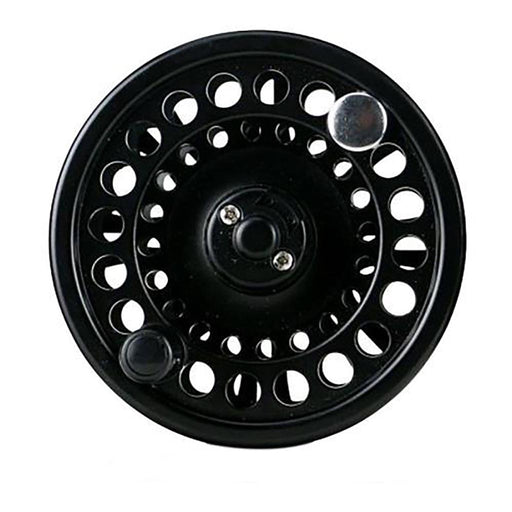
A replacement or extra spool for Echo's Base Fly Fishing Reel. The extra-spool boasts a durable, impact-resistant frame that is equipped with a bom...
View full details