


Fly Fishing Gear | Fly Fishing Flies | All
Your fly should be the only thing the fish sees; make it the right one.
At Tom's Outdoors, we boast a huge collection of fly fishing flies from Fulling Mill, MFC, RIO and Catagory 3 Fly Company - We handpick flies that are suitable for use in our local area, around Australia and across the ditch (or dutch as our Kiwi cousins would say).
Click here to read more...
WHAT TYPES OF FLIES ARE BEST FOR TROUT?
There are three main types of artificial flies in freshwater trout fishing, Dry flies, Nymphs and Wet flies (aka streamers) that anglers use to represent most of what trout eat.
- Dry flies: Designed to stay ‘dry’ and float on the water's surface, either representing an insect that has ‘hatched’ out of the water, like a Mayfly-Dun or a Caddis, or representing an insect that has fallen onto the water (terrestrial insects) like a Grasshopper. These flies are generally fished drifted along naturally in the current.
- Nymphs: Represent the aquatic juvenile phase of a water-born flying insect, like a Mayfly-Nymph, Caddis-Grub, or Stonefly-Nymph, and are fished throughout the water column from just under the surface film to the bottom, sinking with the aid of built-in or external weight. Nymphs are generally drifted naturally with the current, as well as being given some small movement underwater from time to time.
- Wet flies (or Streamers): Fished below the water's surface, these flies often imitate larger invertebrates like crayfish (yabbies), mud-eye, and damselfly, as well as larger vertebrates like frogs, baitfish, and even other small trout. They are generally fished quite aggressively through the current to imitate the darting fleeing nature of these prey items.
HOW TO CHOOSE A FLY
The three main things to consider when looking at selecting any fly are Profile, Movement, and Colour, in that order.
- The profile of the fly is one of the first things that a fish sees from a distance and will let them know if they are looking at viable prey; you want to match the size and shape of the food item you are imitating.
- Movement is the next thing that triggers a fish into eating your fly, whether it is slight movement that is ‘built into’ the fly like a soft hackle feather or how the fly reacts when moved through the water, such as the long tail made of marabou on a woolly-bugger.
- Finally, colour is a consideration, but not as important as most people would assume. Fish see colour differently from people and although it can be useful to have a fly in a range of colours, you can generally stick with bright, dark, or natural colours.
A note on ‘Ultra-Violet Hot-Spots’: one important consideration is does your fly have ultra-violet materials built into it? This is often an excellent extra trigger that results in getting fish to eat the flies as many fish species hunt in the Ultraviolet spectrum.
ATTRACTOR-PATTERNS VS IMITATIVE-PATTERNS.
Attractor patterns are designed to suggest life and movement without trying to match exactly one type of food or prey item. Imitative patterns are tied to try and look as much like the real thing as possible. They are both important styles to keep in mind when selecting effective flies for any situation. In general, the longer a fish will get to look at your flies, i.e. fishing very slowly on a lake or sand flat in clear water, the more imitative a fly should be. The less time a fish will see you fly, i.e. fishing a fast-flowing river or stripping a fly quickly through the water column the more of a general attractor a fly can be, the best flies generally have a mix of both!
Here at Tom’s we also stock all the necessary flies for targeting Australian Native Freshwater and Saltwater species. We have flies for Murray-Cod, Australian-Bass, Golden Perch, Flathead, Australian Salmon, Bream, Golden trevally, GT’s, Tuskies, Permit, and pretty-well any other species you’d care to throw a fly at, even carp... (unfortunately) - Native Freshwater and Saltwater patterns often fall into Surface (Floating) or Subsurface (Sinking) categories, most of which are fished actively to imitate the movement of the prey they represent. A typical surface fly would be a popper, which can imitate a frog or mouse ‘blooping’ across the surface, or even a wounded baitfish attempting to escape from a rocky ledge. Subsurface flies can range from patterns that represent baitfish all the way through to crayfish, crabs, shrimp and even drifting seaweed.
NEED HELP CHOOSING FLIES? CONTACT US TODAY
Simply get in touch with our friendly sales team – they’re always up for a chat. You can contact us by calling our Tumut store on (02) 6947 4062 or by email.
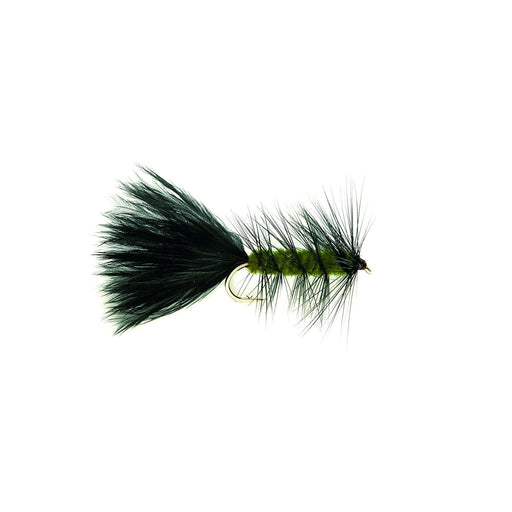
Fulling Mill Woolly Bugger - Olive Weighted
Fulling Mill
Original price
$3.30
-
Original price
$3.30
Original price
$3.30
$3.30
-
$3.30
Current price
$3.30
If you're going to tie on anything, tie on a bugger A fly as effective on running water as it is on still-waters. This fly imitates a whole array o...
View full details
Fulling Mill Mallard & Claret Fly
Fulling Mill
Original price
$3.90
-
Original price
$3.90
Original price
$3.90
$3.90
-
$3.90
Current price
$3.90
A wing, where the rest of the team has hackle Most flies on a loch cast are palmered or hackled, and putting one winged pattern among them gives a ...
View full details
Fulling Mill Czech Nymph Hares Ear
Fulling Mill
Original price
$3.90
-
Original price
$3.90
Original price
$3.90
$3.90
-
$3.90
Current price
$3.90
The Czech's hit the nail on the head A lot of people would argue that this is the fly that started the modern 'tight-line' nymphing explosion! Eith...
View full details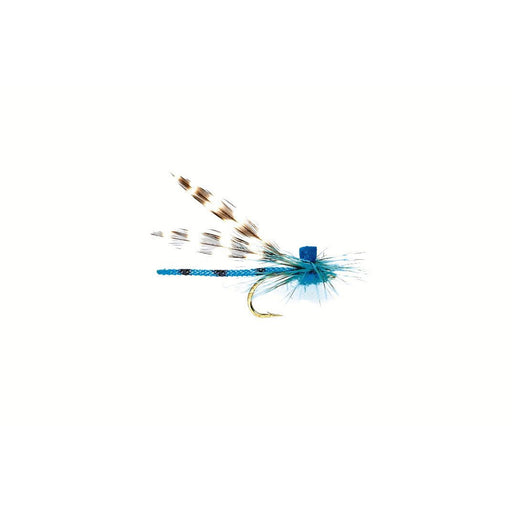
Fulling Mill Braided Butt Damsel
Fulling Mill
Original price
$4.20
-
Original price
$4.20
Original price
$4.20
$4.20
-
$4.20
Current price
$4.20
Adult damsel flies are a common sight in warmer months and are eagerly hunted by trout. This pattern is effective whenever naturals are seen hoveri...
View full details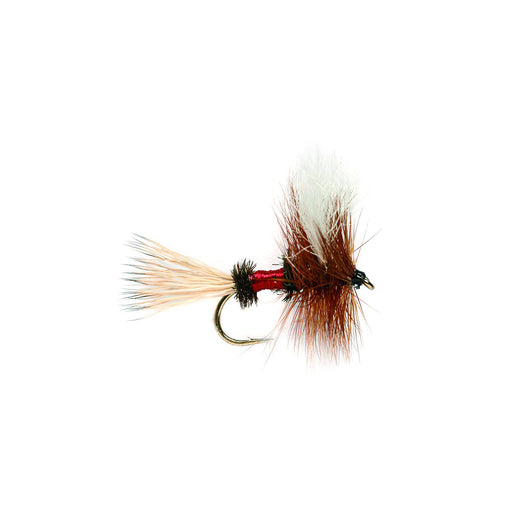
Fulling Mill Royal Wulff
Fulling Mill
Original price
$4.20
-
Original price
$4.20
Original price
$4.20
$4.20
-
$4.20
Current price
$4.20
It imitates nothing, and fish eat it anyway The peacock and red floss body was never meant to match a hatch. It is an attractor, and one of the mos...
View full details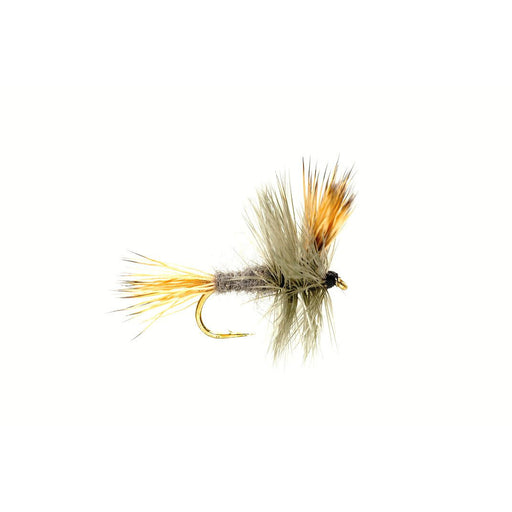
Fulling Mill Grey Wulff
Fulling Mill
Original price
$4.20
-
Original price
$4.20
Original price
$4.20
$4.20
-
$4.20
Current price
$4.20
The fly that started the hair-wing family Lee Wulff was losing patience with slim Catskill dries drowning in the fast water of New York's Ausable, ...
View full details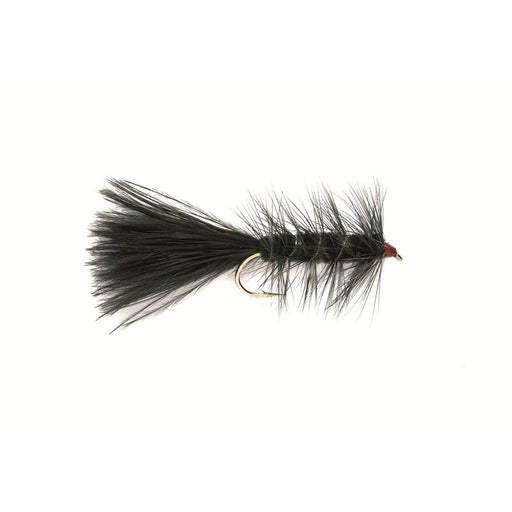
Fulling Mill Woolly Bugger - Black Weighted
Fulling Mill
Original price
$3.30
-
Original price
$3.30
Original price
$3.30
$3.30
-
$3.30
Current price
$3.30
It's a Bugger, it'll get it done A fly as effective on running water as it is on still-water. This fly imitates a whole array of food for a multitu...
View full details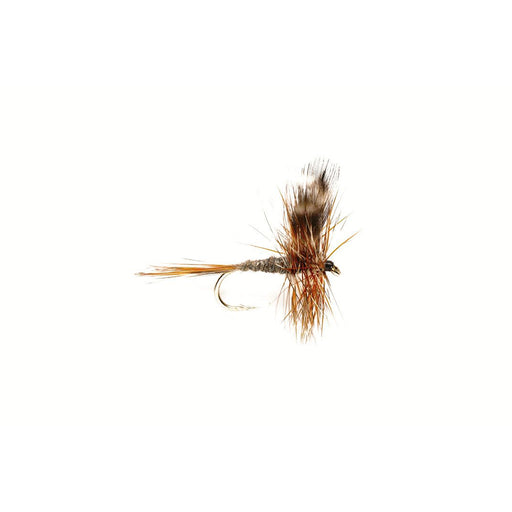
Fulling Mill Winged Adams
Fulling Mill
Original price
$4.20
-
Original price
$4.20
Original price
$4.20
$4.20
-
$4.20
Current price
$4.20
A century on, still the first dry most anglers reach for When fish are up and you cannot pick the hatch, this is the sensible first cast. The grizz...
View full details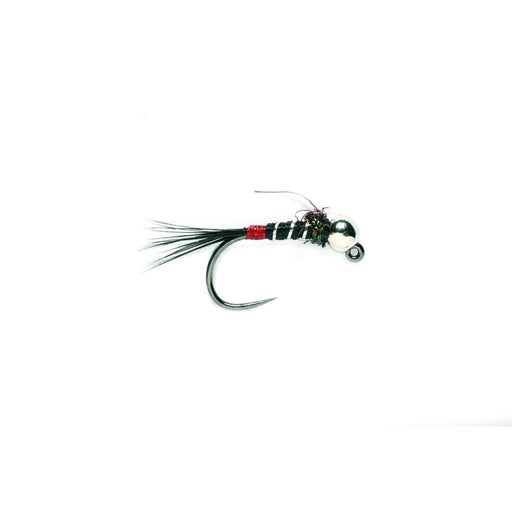
Fulling Mill The French - Barbless Jig
Fulling Mill
Original price
$4.20
-
Original price
$4.20
Original price
$4.20
$4.20
-
$4.20
Current price
$4.20
The French Nymph has been a deadly pattern for trout and grayling the world over. Use this fly in all sizes on either the point or dropper of a two...
View full details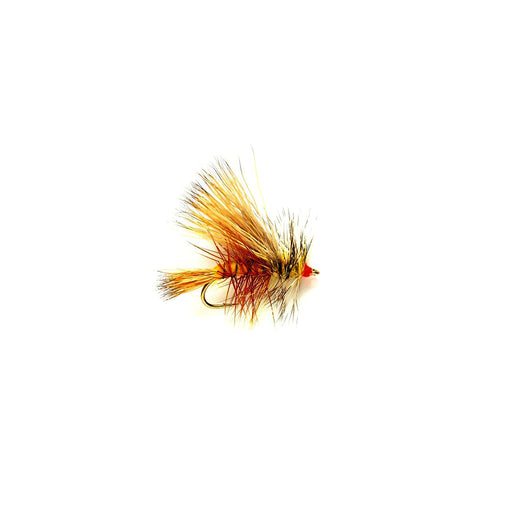
Fulling Mill Stimulator - Yellow
Fulling Mill
Original price
$4.20
-
Original price
$4.20
Original price
$4.20
$4.20
-
$4.20
Current price
$4.20
A highly buoyant, bushy, impressionistic pattern that can be taken for a large adult stonefly, grasshopper or large adult sedge. Particularly effec...
View full details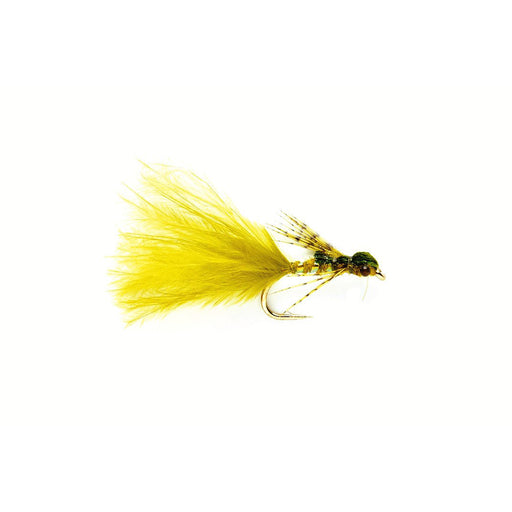
Fulling Mill Skinny Damsel
Fulling Mill
Original price
$2.70
-
Original price
$2.70
Original price
$2.70
$2.70
-
$2.70
Current price
$2.70
A skinny damsel that's determined to help. This is a highly mobile pattern for when larger patterns don't get a response. Designed to imitate a dam...
View full details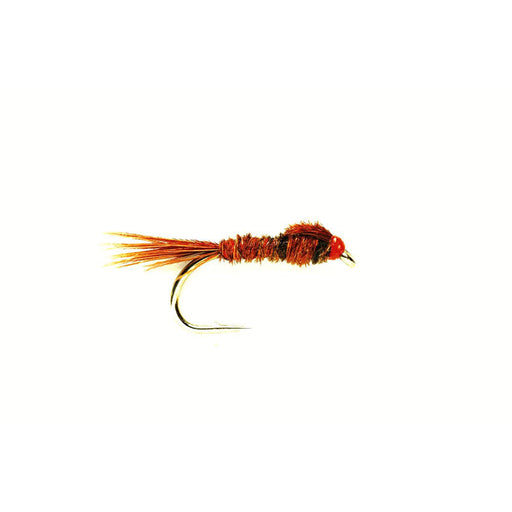
Fulling Mill Sawyer's Pheasant Tail
Fulling Mill
Original price
$2.70
-
Original price
$2.70
Original price
$2.70
$2.70
-
$2.70
Current price
$2.70
Two materials, no legs, and it still out-fishes most of the box Frank Sawyer built the original on the Wiltshire Avon in the 1950s from just pheasa...
View full details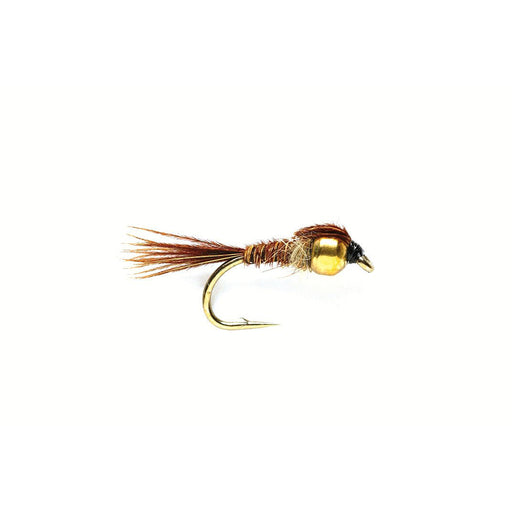
Fulling Mill Depth Charge Pheasant Tail - Gold Tungsten Bead
Fulling Mill
Original price
$4.20
-
Original price
$4.20
Original price
$4.20
$4.20
-
$4.20
Current price
$4.20
It's exquisite, it's simple - it's everything you could ask for in a fly. Believe it or not, this particular nymph is one of the most popular patte...
View full details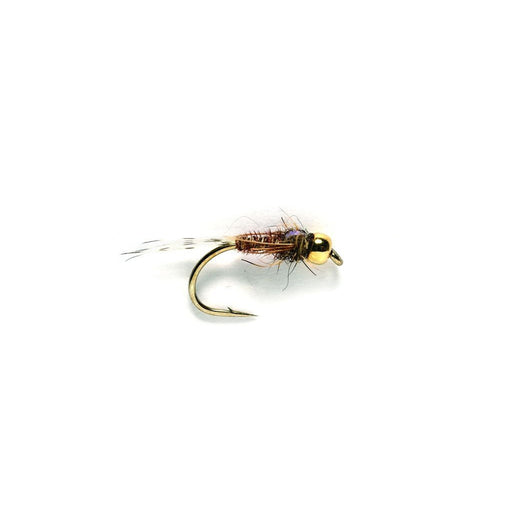
Fulling Mill Pheasant Tail Flashback - Gold Tungsten Bead
Fulling Mill
Original price
$4.20
-
Original price
$4.20
Original price
$4.20
$4.20
-
$4.20
Current price
$4.20
If you're after a nymph that will reach all the right places - stay where you are, this is it! In addition to the gold tungsten bead, the crystal h...
View full details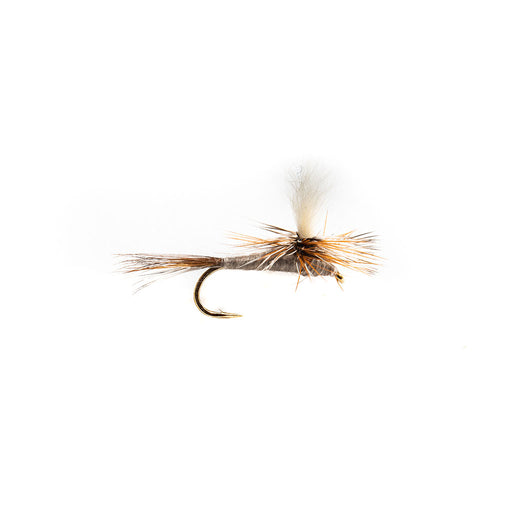
Fulling Mill Parachute Adams
Fulling Mill
Original price
$4.20
-
Original price
$4.20
Original price
$4.20
$4.20
-
$4.20
Current price
$4.20
Lands right way up, every single cast The parachute hackle is the whole point: wound horizontally around an upright post rather than around the hoo...
View full details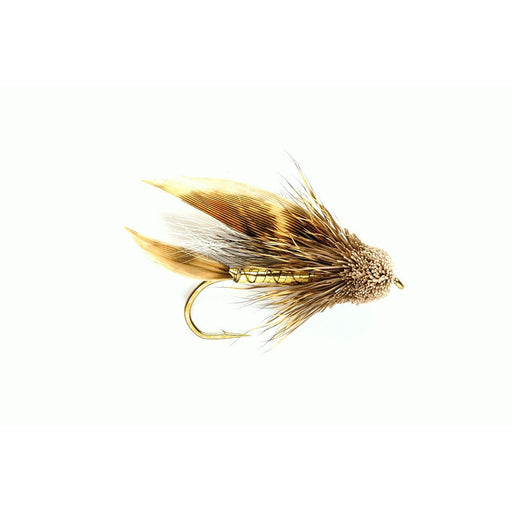
Fulling Mill Muddler Minnow
Fulling Mill
Original price
$4.20
-
Original price
$4.20
Original price
$4.20
$4.20
-
$4.20
Current price
$4.20
The Muddler Minnow will never leave you disappointed. A fly traditionally fished on a floating line but also being used more and more on sinkers. T...
View full details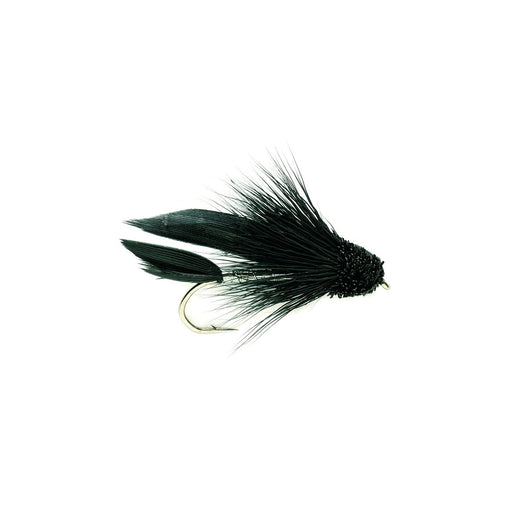
Fulling Mill Muddler Minnow - Black
Fulling Mill
Original price
$4.20
-
Original price
$4.20
Original price
$4.20
$4.20
-
$4.20
Current price
$4.20
A beautifully crafted deer hair fly that always delivers. The Black Muddler Minnow is traditionally fished on a floating line but is also being use...
View full details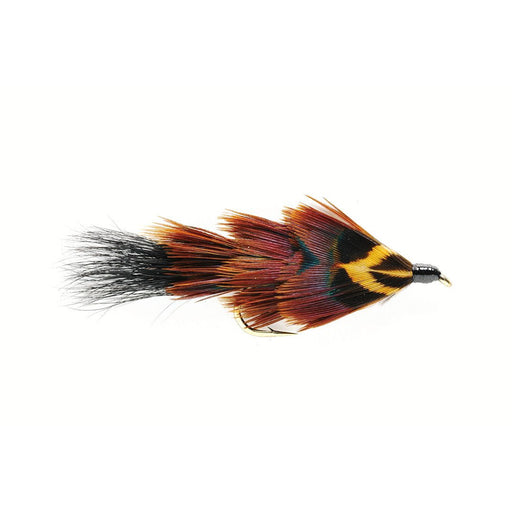
Fulling Mill Mrs Simpson
Fulling Mill
Original price
$3.30
-
Original price
$3.30
Original price
$3.30
$3.30
-
$3.30
Current price
$3.30
Meet Mrs. Simpson! An excellent dark streamer pattern with a large silhouette that originates from New Zealand. Effective as a mudeye, frog or smal...
View full details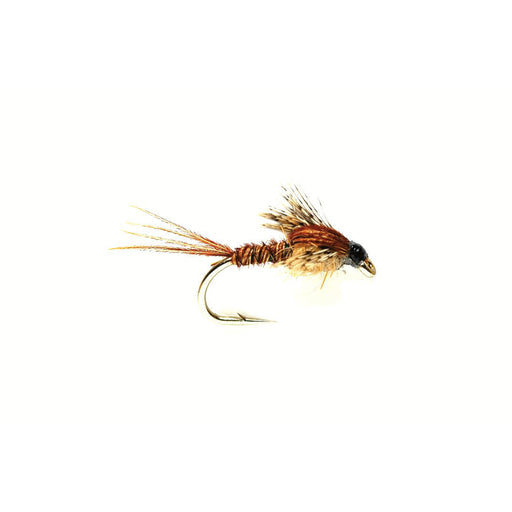
Fulling Mill March Brown
Fulling Mill
Original price
$2.70
-
Original price
$2.70
Original price
$2.70
$2.70
-
$2.70
Current price
$2.70
March Browns are an important food source for river trout, but this simple dark nymph is an ideal general-purpose pattern suitable for imitating a ...
View full details
Fulling Mill March Brown - Kosciuszko Dun (Pale Body)
Fulling Mill
Original price
$4.20
-
Original price
$4.20
Original price
$4.20
$4.20
-
$4.20
Current price
$4.20
A vital part of any trout angler's fly collection. The natural March Brown is an important early-season food source for trout which appears from Se...
View full details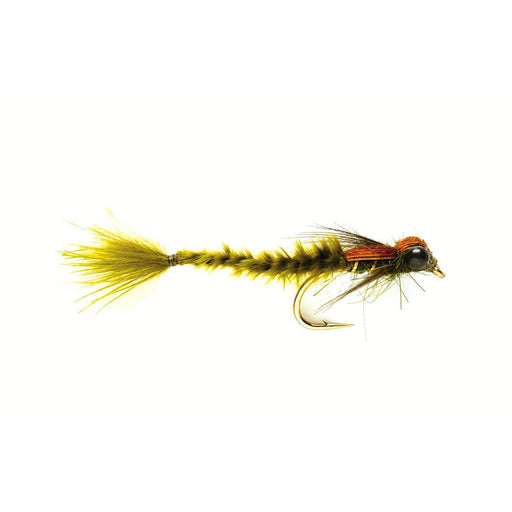
Fulling Mill Living Damsel - Dark Olive
Fulling Mill
Original price
$3.90
-
Original price
$3.90
Original price
$3.90
$3.90
-
$3.90
Current price
$3.90
A Damsel you won't be able to resist. The Living Damsel nymph imitation is tied with a realistic-looking extended body and weighted eyes. The weigh...
View full details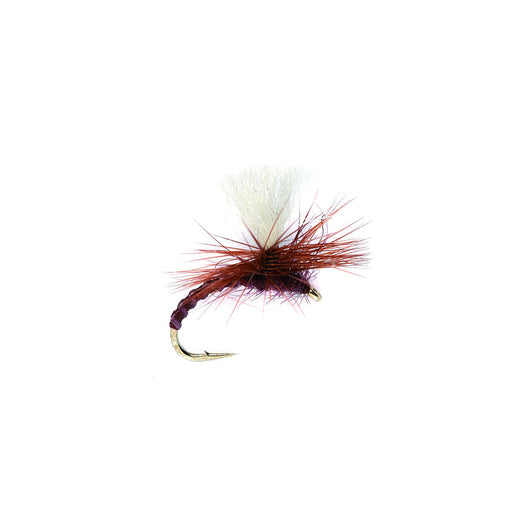
Fulling Mill Klinkhammer Flexi - Claret
Fulling Mill
Original price
$4.20
-
Original price
$4.20
Original price
$4.20
$4.20
-
$4.20
Current price
$4.20
Claret, because our fish keep eating it Claret has a long record on Australian water, and on an emerger silhouette it is a genuinely useful change ...
View full details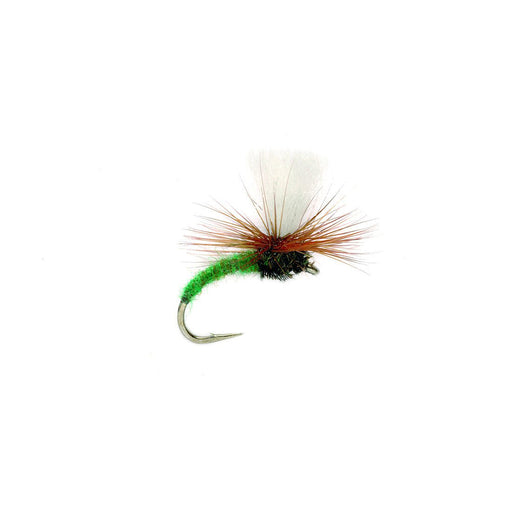
Fulling Mill Klinkhammer - Caddis Green
Fulling Mill
Original price
$4.20
-
Original price
$4.20
Original price
$4.20
$4.20
-
$4.20
Current price
$4.20
Body under the surface, wing on top, and fish cannot leave it alone Hans van Klinken bent a hook on the River Glomma in 1984 so the abdomen would h...
View full details
Fulling Mill Humpy - Yellow
Fulling Mill
Original price
$4.20
-
Original price
$4.20
Original price
$4.20
$4.20
-
$4.20
Current price
$4.20
More than just your everyday Humpy. This high visibility dry fly is a variation on the standard Humpy. It is heavily dressed - designed for float-a...
View full details